••
TUTAG and Libyan Educators Launch Industrial Actions Over Unpaid Remuneration and Service Conditions
•2 min read•5 sources
The Technical University Teacher’s Association of Ghana (TUTAG) has officially withdrawn its services effective October 1, 2026, marking a significant escalation in tensions between academic staff and the government. This decision, reached unanimously by the association's congress, follows what leadership describes as a persistent failure by the state to address long-standing financial obligations. According to TUTAG National President, Professor Deodat Emilson Adenutsi, the primary grievance involves the non-payment of remuneration for post-retirement contracts, which has remained unresolved for a staggering 27 months. The association has halted all teaching, research supervision, and the submission of examination marks until their demands for immediate payment and the proper implementation of the scheme of service are met.
The human cost of these delays has been severe. Professor Adenutsi emphasized that the 27-month impasse has led to dire consequences, with some qualified members tragically passing away before receiving their earned benefits. While the association acknowledged some progress regarding book and research allowances, they pointed to inconsistent implementations of the agreed scheme of service and discrepancies in the remuneration of university librarians as critical triggers for the strike. The industrial action is expected to cause significant disruptions across Ghana's technical universities, affecting thousands of students and the broader academic calendar.
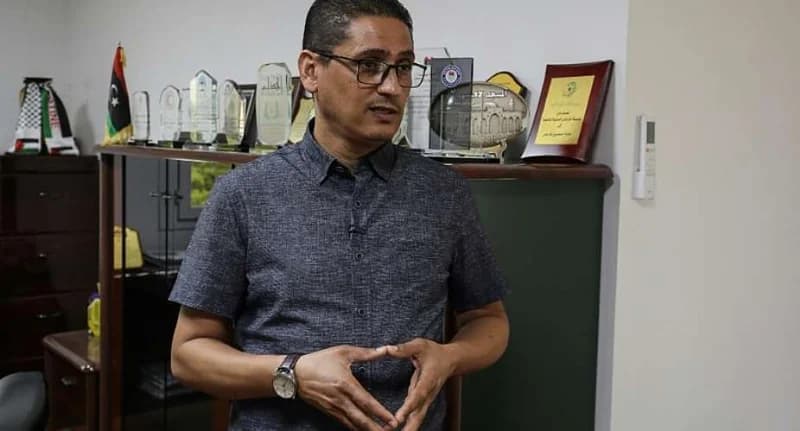
In a parallel development across the continent, education in Libya has come to a standstill as a nationwide teachers' strike has led to the indefinite postponement of the school year. The movement, which has rallied educators from Tripoli to Benghazi, impacts approximately 1.6 million public-school students. Libyan teachers are demanding a comprehensive overhaul of their welfare, including salary increases, health insurance, and compensation for overtime. Currently, Libyan educators earn between 1,000 and 2,500 Libyan dinars (approximately $155 to $390), a range they argue is insufficient for survival amid the country's ongoing political and economic instability.
Both situations highlight a growing trend of labor unrest within the education sector, driven by economic pressures and perceived government neglect. In Ghana, TUTAG’s strike puts pressure on the administration of President John Mahama to find a fiscal solution to honor contractual agreements made with senior academics. Similarly, the Libyan teachers’ union remains steadfast in its demand for social justice, reflecting a grassroots movement that seeks to bridge the gap between public sector pay and the rising cost of living. As both groups refuse to return to work, the future of the current academic year in both nations remains deeply uncertain.
Related topic
John Mahama: Latest News & Updates →

