••
Tunisia Unrest, Senegal’s Political Realignment, and UK-Kenya Defense Tensions Signal Shifting African Landscapes
•3 min read•10 sources
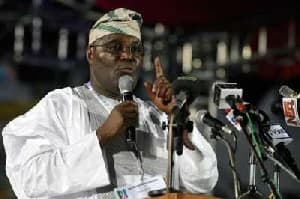
Political landscapes across Africa are undergoing significant shifts as citizens in Tunisia demand leadership changes and Senegal's presidency sees a strategic realignment. In Tunis, thousands of demonstrators gathered to demand the resignation of President Kais Saied, chanting slogans such as "Game over" and "Get out" to signal deep-seated dissatisfaction with the current administration. Simultaneously, Senegal's President Bassirou Diomaye Faye has officially launched his own political party. This move is widely interpreted as a consolidation of power and a definitive break from his former ally, Ousmane Sonko, the leader of the ruling Pastef party, potentially reshaping the country's legislative dynamics.\n\nInternational relations and legal scrutiny also feature prominently in recent regional developments. In Nigeria, the administration of President Bola Tinubu faces renewed pressure as the U.S.-based lobbying firm Von Batten-Montague-York, which has links to former Vice President Atiku Abubakar, urged American law enforcement to release records concerning the President's alleged past connections to heroin trafficking. The firm accused the previous U.S. administration under Joe Biden of withholding documents despite Freedom of Information Act requests. This development highlights the ongoing intersection of domestic Nigerian politics and international legal advocacy.\n\nDiplomatic and security ties between Kenya and the United Kingdom have also encountered friction. Britain’s Ministry of Defence recently cancelled a major military training exercise in Kenya scheduled for September 2026. The cancellation reportedly stems from a failure to secure necessary approvals and ongoing disagreements regarding defense arrangements between the two nations. These tensions underscore the complexities of post-colonial military partnerships and the difficulties in aligning sovereign defense requirements with international cooperation.\n\nIn a separate matter involving Kenyan nationals abroad, former NFL linebacker Daniel Adongo has been deported from the United States back to Kenya. U.S. Immigration and Customs Enforcement (ICE) confirmed that Adongo, who played for the Indianapolis Colts between 2013 and 2015, was removed following a March 2024 deportation order. Adongo had overstayed his visa since 2016 and had accumulated a criminal record, including felony intimidation and battery. ICE officials noted that his removal was part of broader efforts to maintain community safety and enforce immigration laws, regardless of an individual's professional background.\n\nThese diverse events—ranging from mass protests and party launches to diplomatic cancellations and high-profile deportations—illustrate a continent in a state of flux. As governments in Tunisia and Senegal navigate internal power struggles, and Nigeria and Kenya manage complex international relationships, the coming months will be critical for regional stability. These developments will likely influence electoral strategies and bilateral agreements across the continent as leaders and citizens alike grapple with the evolving demands of governance and accountability.
This story touches markets covered on Anansi Intelligence ↗.
More from politics
Continue exploring similar stories


