••
Global Geopolitics: Trump Warns of Fragile Iran Truce as UN Pushes for Greater African Representation
•3 min read•23 sources
Global political landscapes are currently defined by fragile international truces, domestic leadership challenges, and a growing push for structural reform in international governance. In the Middle East, U.S. President Donald Trump has described the current ceasefire with Iran as being on “massive life support,” rejecting Tehran’s recent peace proposals as “totally unacceptable.” Iran’s counter-offer demanded an immediate end to the U.S. naval blockade and compensation for war damages, but Trump, supported by Israeli Prime Minister Benjamin Netanyahu, maintains that no permanent resolution can be reached without first dismantling Iran’s nuclear enrichment capabilities. This diplomatic deadlock occurs alongside humanitarian concerns, as Nobel Peace Prize laureate Narges Mohammadi was recently transferred from an Iranian prison to a hospital following serious health complications.
In Africa, the push for institutional equity took center stage as UN Secretary-General Antonio Guterres called for a fundamental reform of the UN Security Council during a visit to Kenya. Guterres highlighted the “historical injustice” of Africa’s lack of permanent representation, urging the five permanent members to accept changes that reflect modern geopolitical realities. Simultaneously, South African President Cyril Ramaphosa is navigating a complex domestic period, issuing stern warnings against xenophobic violence while facing revived impeachment proceedings related to the “Farmgate” scandal. Ghana’s Foreign Minister, Samuel Okudzeto Ablakwa, has expressed solidarity with Ramaphosa’s efforts to curb violence, emphasizing that African unity is essential for continental trade and development.
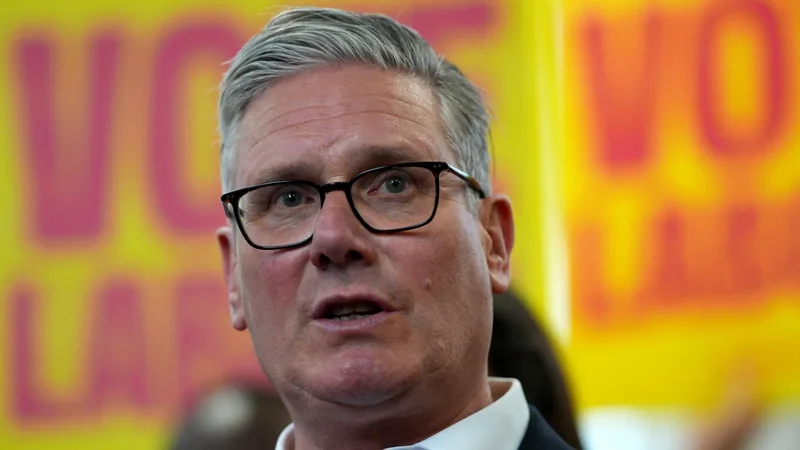
Across Europe, UK Prime Minister Sir Keir Starmer is making bold moves to stabilize the British economy and repair international relations. Starmer announced the nationalization of British Steel to prevent the closure of critical infrastructure, a move costing taxpayers hundreds of millions but deemed essential for national security. On the diplomatic front, Starmer is attempting to rekindle ties with the European Union to bolster trade and defense, though EU officials remain skeptical of the UK’s long-term commitment. These domestic maneuvers come as Starmer faces internal pressure from Labour MPs following recent electoral setbacks and a rising cost-of-living crisis.
Regional security and governance reforms are also shaping the political climate across the continent. In Tanzania, President Samia Suluhu Hassan has introduced a pioneering special fund to provide startup capital for vocationally trained ex-inmates, aiming to reduce recidivism by easing social reintegration. However, security remains a concern in other regions; Somali forces recently clashed with protesters in Mogadishu, and the Nigerian military continues to face scrutiny over drone strikes in Niger State. As leaders from Nairobi to London grapple with these multifaceted challenges, the coming months will likely see a continued tension between maintaining old security frameworks and adopting new, more inclusive models of governance.
This story touches markets covered on Anansi Intelligence ↗.
More from politics
Continue exploring similar stories


