••
Trump’s Anticipated U.S.-Iran Peace Deal Faces Standoff Amid Escalating Israeli-Hezbollah Conflict and Global Political Unrest
•3 min read•18 sources
Diplomatic tensions have reached a fever pitch as U.S. President Donald Trump and Iranian officials offer conflicting accounts regarding a historic peace agreement intended to end decades of hostility. While Trump announced that a memorandum of understanding would be signed imminently to unblock the vital Hormuz Strait and dismantle Tehran’s nuclear program in exchange for economic relief, Iranian Foreign Ministry spokesperson Esmaeil Baghaei has refuted this timeline. The standoff highlights profound skepticism on both sides, even as international mediators like Pakistan express cautious optimism about a blueprint that could stabilize global energy markets and regional security.
This diplomatic fragility is further strained by escalating military actions in Lebanon, where Israeli air strikes have targeted Hezbollah positions in Beirut’s Dahiyeh district. Launched in response to Hezbollah projectiles fired into northern Israel, the strikes have resulted in at least three fatalities and multiple injuries. Prime Minister Benjamin Netanyahu has characterized Hezbollah’s actions as a grave ceasefire violation, complicating U.S.-Iran negotiations as Tehran insists that any deal is contingent upon the cessation of Israeli military operations. The forced displacement of residents in southern Lebanon underscores the volatile intersection of high-level diplomacy and ground-level warfare.
On the African continent, security and immigration issues are dominating the political landscape. In Nigeria, the military confirmed the death of retired Major General Rabe Abubakar, who passed away from health complications while held captive by gunmen in Katsina State. This high-profile tragedy highlights the worsening kidnapping crisis facing the nation. Concurrently, South Africa has intensified its crackdown on undocumented residents, repatriating over 2,700 foreigners in a single week following President Cyril Ramaphosa’s pledge to address illegal immigration. These actions come amid rising anti-immigrant sentiment and economic pressures that continue to trigger social unrest across the region.
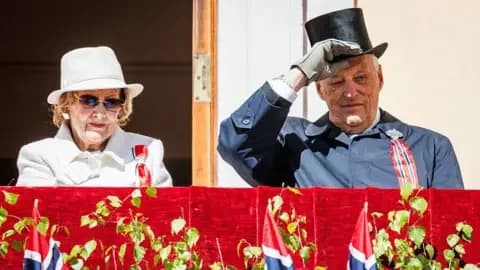
In Europe, institutional stability is being tested by both democratic processes and personal scandals. Switzerland has faced a landmark debate over a proposal to cap its population at 10 million—a move proponents say will protect infrastructure but critics argue will damage ties with the European Union. Meanwhile, the Norwegian monarchy faces a reckoning as Marius Borg H iby, the son of Crown Princess Mette-Marit, awaits a verdict on multiple charges, including rape. These domestic challenges, alongside legal battles such as author Chimamanda Ngozi Adichie’s dispute with a Lagos hospital over her son’s death, reflect a broader period of public scrutiny and institutional transition globally.
As world leaders navigate these overlapping crises, the path forward remains obscured by conflicting national interests and humanitarian concerns. Whether through the ballot box in Switzerland, the courtrooms of Oslo and Lagos, or the high-stakes negotiating tables in the Middle East, the current political climate is defined by a search for stability. The outcomes of these diverse events will likely reshape international alliances and domestic policies for years to come, emphasizing the interconnected nature of global security and the rule of law.
This story touches markets covered on Anansi Intelligence ↗.
More from politics
Continue exploring similar stories


