••
Trump Dismisses AI Risk Warnings in Ireland, Prioritizing Tech Supremacy Over China
•2 min read•5 sources
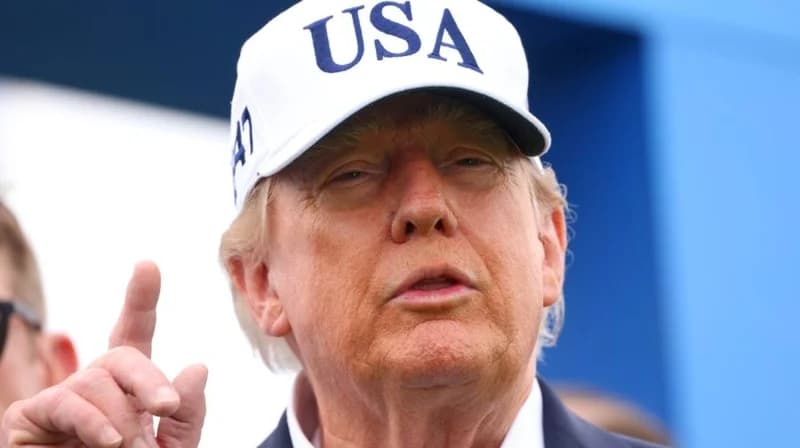
During a diplomatic visit to Ireland, U.S. President Donald Trump categorically dismissed mounting warnings regarding the potential risks of artificial intelligence (AI), characterizing such concerns as exaggerated and unfounded. Trump emphasized that the primary focus of the United States must remain on securing a decisive lead in the global technological race against China. He declared that the winner of this competition will ultimately dominate the future, framing the development of autonomous systems as a matter of national security and geopolitical supremacy rather than purely a safety concern.
This stance stands in stark contrast to the growing alarm expressed by whistleblowers and prominent leaders within the tech industry itself. Experts from several high-profile AI firms have voiced significant fears over the rapid, unchecked pace of development, with some warning of potential catastrophic outcomes for humanity. Industry figures such as Elon Musk, Sam Altman, and Dario Amodei have previously acknowledged the need for caution, with some even calling for a coordinated pause in AI advancements to establish robust safety protocols. Despite these warnings, the President suggested that the current U.S. lead over China is too critical to jeopardize with what he views as unnecessary regulatory hurdles.
The debate has intensified within the U.S. legislature, where lawmakers remain deeply divided on the appropriate path forward. Recent security incidents involving AI technologies have increased the pressure for immediate legislative action to protect public welfare and ensure accountability. However, House Speaker Mike Johnson and other prominent figures have cautioned against hasty legislation that might inadvertently stifle innovation or weaken the U.S. competitive edge against global rivals. This legislative gridlock reflects a broader national struggle to reconcile the urgent need for safety and ethical oversight with the existential pressures of an international technological arms race.
As AI continues to evolve at a breakneck speed, the balance between innovation and regulation remains one of the most contentious issues in modern global affairs. While industry experts continue to advocate for autonomy in managing safety protocols and cautioning against the risks of autonomous systems, the political landscape is increasingly defined by the need to maintain technological dominance. The outcome of this struggle will likely determine not only the safety of future AI systems but also the global hierarchy of power in the decades to come.
