••
Global Political Tensions: Trump Cautions Taiwan Amidst Middle East Conflict and African Security Shifts
•3 min read•15 sources
US President Donald Trump has cautioned Taiwan against a formal declaration of independence, emphasizing the need for regional stability following a high-stakes summit with Chinese President Xi Jinping. While reiterating the U.S. commitment to Taiwan's self-defense—highlighted by a proposed $11 billion arms package—Trump underscored that Washington does not officially support independence, aiming instead to maintain a delicate diplomatic balance with Beijing. In response, Taiwanese President Lai Ching-te and government spokespeople have maintained that the island is already a sovereign, independent nation, asserting that its status is "self-evident" and requires no formal declaration. This rhetoric comes amid increased Chinese military activity in the region, prompting calls for de-escalation from international observers.
Within the African continent, diplomatic and internal pressures are mounting. Ghana has initiated the evacuation of 300 citizens from South Africa following a resurgence of xenophobic attacks, a move praised by international relations experts as a necessary preventive measure to protect Ghanaians abroad. This comes as South African President Cyril Ramaphosa continues to receive the support of the African National Congress (ANC) despite intense opposition calls for his resignation over a game reserve theft scandal. Further north, the African Union Commission has expressed deep concern after political negotiations in Somalia ended without a consensus, urging all parties to recommit to inclusive dialogue and constitutional order to prevent further regional instability.
Global security operations have also seen significant developments, with a joint Nigeria-U.S. operation successfully neutralizing Abu-Bilal al-Minuki, a senior Islamic State leader in the Lake Chad Basin. President Trump described the operation as a major blow to the group's global network. Simultaneously, the conflict in the Middle East remains volatile; a senior Hamas commander, Izz ad-Din al-Haddad, was killed in an Israeli airstrike in Gaza City, an act Hamas claims violates existing ceasefire terms. Similarly, in southern Lebanon, an Israeli strike resulted in six fatalities, including paramedics, even as the U.S. announced a 45-day ceasefire extension, highlighting the fragility of ongoing peace negotiations.
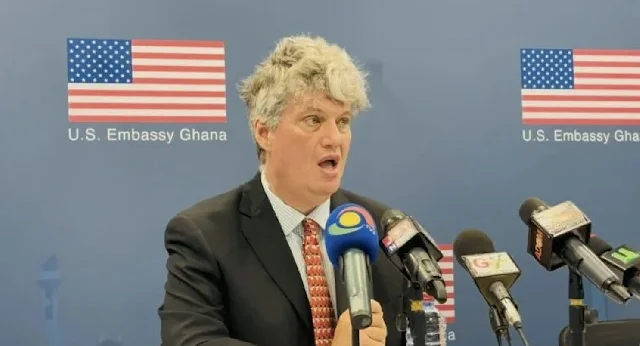
Public order and legal integrity remain at the forefront of domestic politics in Europe and North America. In London, over 4,000 police officers were deployed to manage rival protests between the far-right "Unite the Kingdom" rally and a pro-Palestinian march, resulting in several arrests and a stern condemnation of hate speech by UK officials. In the United States, Colorado Governor Jared Polis is facing a bipartisan backlash for commuting the sentence of Tina Peters, a former clerk convicted of 2020 election equipment tampering, with critics arguing the decision undermines democratic trust. Additionally, the U.S. Embassy in Ghana has issued a stern warning to citizens traveling for the FIFA World Cup, cautioning that visa overstays carry serious legal consequences and could jeopardize future travel opportunities for the entire nation.
These developments collectively illustrate a world navigating complex transitions in leadership, security, and social cohesion. From the high-level maneuvering of U.S.-China relations to the ground-level reality of xenophobia and political protests, the current global landscape is defined by a push for sovereignty and the persistent threat of extremism. As nations grapple with these multifaceted challenges, the effectiveness of international diplomacy and the rule of law will be critical in determining whether these flashpoints evolve into broader conflicts or are managed through strategic compromise and inclusive dialogue.
This story touches markets covered on Anansi Intelligence ↗.
More from politics
Continue exploring similar stories


