••
Toy Story 5 Sparks Debate Among Critics Over Its Warning Against Children's Tech Addiction
•2 min read•1 source
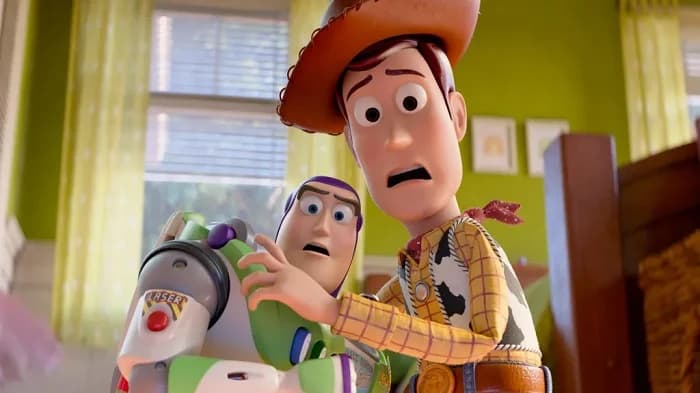
Pixar’s beloved franchise returns with 'Toy Story 5,' a sequel that has sparked a significant divide among film critics ahead of its theatrical release. While some reviewers hail the installment as a 'warm and wry update' to the saga of Woody and Buzz Lightyear, others suggest the long-running series may finally be reaching its creative limits. At the heart of the new film is a contemporary conflict: the struggle for children’s attention in an era dominated by digital gadgets, a theme that resonates with current global conversations regarding technology and parenting.
The narrative centers on a new digital device called 'Lilypad,' which threatens to divert children’s interests away from traditional physical toys. Critics have largely praised this 'cautionary' message, noting its relevance as society grapples with the impact of social media and screen time on early development. While the Independent’s Clarisse Loughrey gave the film a modest two-star rating, describing it as the weakest entry in the franchise, others like Robbie Collin of the Telegraph and Kevin Maher of the Times awarded it four stars. These positive reviews highlight the film’s ability to weave a fresh, emotional narrative that justifies its existence despite the definitive ending of previous chapters.
The production sees the return of iconic voice actors, including Tom Hanks as Woody, Tim Allen as Buzz Lightyear, and Joan Cusack as Jessie. Joining the veteran cast is Greta Lee, adding a new dimension to the ensemble. This mixture of nostalgia and new talent aims to bridge the gap between long-time fans and a new generation of viewers. Despite the 'played out' sentiment expressed by some skeptics, the film’s focus on the digital divide provides a modern anchor for the characters' latest adventures.
As 'Toy Story 5' prepares for its debut in UK cinemas, its release coincides with heightened public discourse regarding children's social media usage and the preservation of childhood wonder in the digital age. By positioning the toys against a tablet-like adversary, Pixar continues its tradition of reflecting societal shifts through the lens of childhood play. Whether the film stands as a necessary evolution of the franchise or a final curtain call, its exploration of the digital landscape ensures it will be a talking point for families and critics alike.
This story touches markets covered on Anansi Intelligence ↗.
More from entertainment
Continue exploring similar stories


