••
President Tinubu Claims Significant Gains Against Insurgency Amidst Regional Unrest and Calls for Security Reform
•3 min read•9 sources
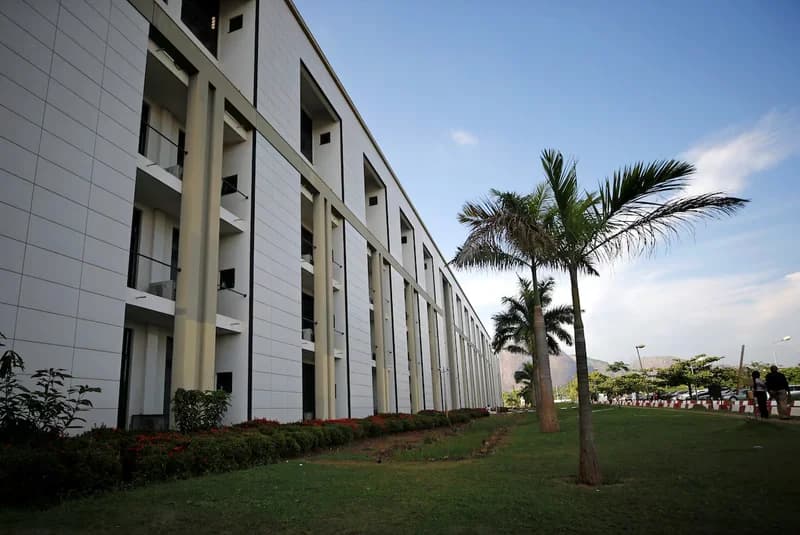
In a televised national address marking Democracy Day, Nigeria's President Bola Tinubu announced a major shift in the country's security landscape, claiming that over 13,000 insurgents have been neutralized in the past year. According to the President, the death toll from jihadist insurgencies has plummeted by 81% since he took office in 2023, bolstered by the surrender of 124,000 fighters and their dependents under Operation Safe Corridor. Tinubu issued a stern ultimatum to remaining armed groups, demanding they surrender or face the "full force of the state," while outlining a massive 5.41 trillion naira defense budget and plans to recruit 50,000 additional police officers. This military-heavy approach is being complemented by legislative shifts, as Nigeria’s parliament recently passed a constitutional bill to allow the country's 36 states to establish their own police forces to better manage local threats.
Despite these reported successes, the domestic atmosphere remains tense. In Abuja, security forces reportedly used tear gas to disperse protesters demonstrating against persistent insecurity, mass kidnappings, and the economic hardship exacerbated by rising inflation. These clashes on Democracy Day highlight a significant gap between government statistics and the lived experience of citizens who continue to face daily threats from armed groups. Civil society groups emphasize that while the military claims progress, the frequency of school kidnappings and clashes between farmers and herders remains a critical challenge to national stability. This internal friction mirrors a broader trend of political volatility across the continent, where opposition figures in the Democratic Republic of Congo were recently injured by police during rallies against proposed constitutional changes that would remove presidential term limits.
Beyond Nigeria’s borders, the regional security and economic environment continues to face complex hurdles. In Cameroon, a separatist ambush in the Northwest region recently claimed the lives of two soldiers, underscoring the persistence of the years-long conflict in the English-speaking regions. Simultaneously, in South Africa, local leaders and civic organizations are working to de-escalate tensions ahead of planned anti-immigration marches in Cape Town, fearing a resurgence of xenophobic violence. Amidst these security concerns, West African leaders are seeking long-term stability through economic integration. Led by Ghana, ECOWAS ministers have launched a "mine together, process together" initiative aimed at ending the export of raw minerals. By prioritizing local industrialization and value addition, the regional bloc hopes to leverage the African Continental Free Trade Area (AfCFTA) to drive prosperity and mitigate the underlying economic drivers of regional unrest.
This story touches markets covered on Anansi Intelligence ↗.
More from politics
Continue exploring similar stories


