••
TikTok Rejects End-to-End Encryption for Direct Messages, Citing User Safety Concerns
•2 min read•1 source
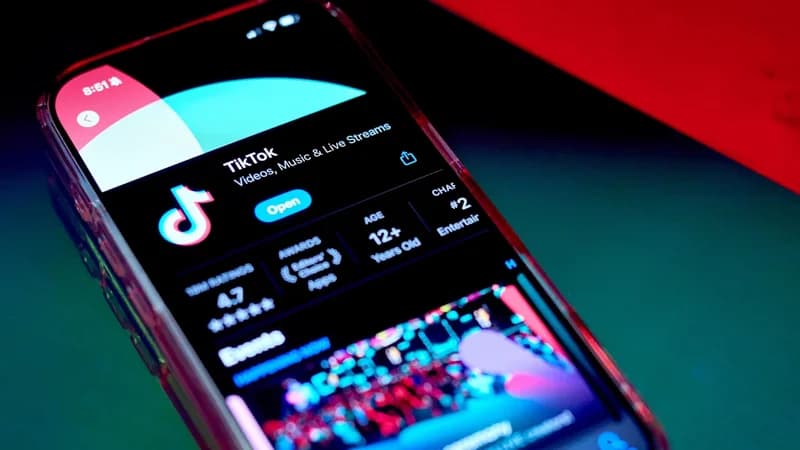
TikTok has announced its decision to forego the implementation of end-to-end encryption (E2EE) for its direct messaging service, a move the social media giant claims is necessary to protect its global user base from potential harm. Unlike several of its competitors who have increasingly adopted E2EE to enhance user privacy, TikTok argues that such technology would hinder its ability to moderate content effectively and collaborate with law enforcement authorities. This decision comes at a critical time as the platform, owned by the Chinese firm ByteDance, remains under intense international scrutiny regarding its data handling practices and general privacy protocols.
The technology in question, end-to-end encryption, ensures that only the sender and the recipient can read the contents of a message, preventing any third parties—including the service provider itself—from accessing the data. While privacy advocates champion E2EE as a vital tool for digital security, TikTok contends that implementing it would create significant blind spots in its safety infrastructure. Specifically, the company expressed concerns that restricted access to message data would make it harder to detect and prevent illegal activities, such as the exploitation of minors and the sharing of harmful content, which are top priorities given the platform’s young demographic.
This stance places TikTok in a unique and somewhat controversial position within the social media landscape. While major messaging platforms like WhatsApp and Meta’s Messenger have moved toward default encryption to satisfy user demands for privacy, TikTok is choosing to prioritize safety and oversight. Analysts suggest that while this move might appease regulators focused on child safety and content moderation, it could simultaneously fuel ongoing anxieties regarding the platform's data transparency. Without E2EE, the company maintains the technical ability to access user communications, a point of contention for those worried about government surveillance and data access by its parent company.
Ultimately, TikTok’s decision underscores the complex balancing act between digital privacy and platform safety in the modern age. By maintaining its ability to monitor direct messages for potential risks, the company aims to demonstrate a commitment to being a safe space for its millions of users, particularly the younger generation. However, the move is likely to keep TikTok at the center of the global debate over how tech companies should manage user data, with stakeholders watching closely to see how this policy impacts both user trust and future regulatory requirements in key international markets.
This story touches markets covered on Anansi Intelligence ↗.
More from technology
Continue exploring similar stories


