••
TikTok Settles Mental Health Lawsuit as Experts Warn of Growing Youth Crisis in Ghana
•2 min read•3 sources
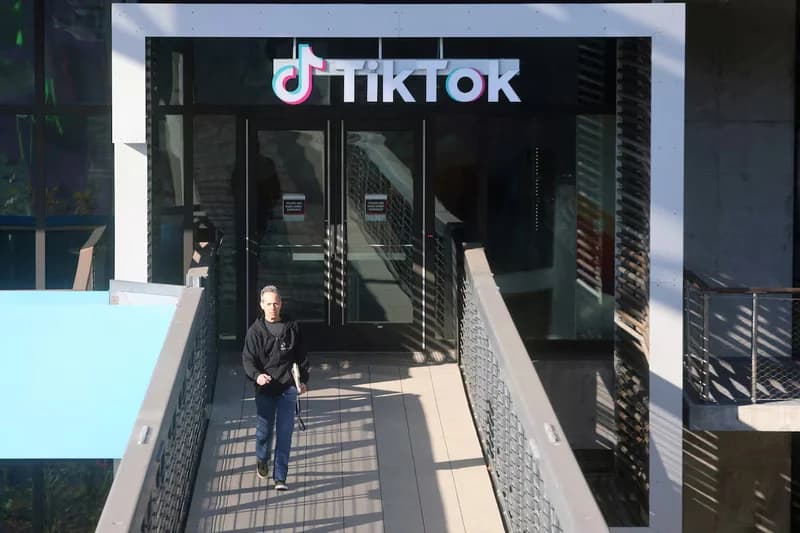
Social media giant TikTok has reached a preliminary settlement in a significant lawsuit filed by a 15-year-old Florida teenager, identified as R.K.C., who alleged the platform’s addictive design severely harmed his mental health. The case, which is being handled in California state court, claims that R.K.C.’s use of the app since the age of eight led to clinical addiction, depression, anxiety, and significant sleep loss. This settlement comes as part of a massive wave of litigation, with approximately 3,300 similar lawsuits currently pending in California against major tech platforms, including Meta’s Instagram, Snapchat, and YouTube, all accused of contributing to a global youth mental health crisis.
The legal landscape for social media companies is becoming increasingly perilous as courts examine the psychological impact of their algorithms. While YouTube has settled similar claims previously, Meta and Snapchat are scheduled for trial on July 27. These legal battles highlight a growing consensus among plaintiffs and mental health experts that the design of social media platforms is intentionally addictive, prioritizing engagement over the well-being of young users. Previous related trials have already seen companies like Google and Meta found negligent, resulting in substantial damage payouts and setting a precedent for the accountability of digital service providers.
In Ghana, the conversation around youth mental health is taking on a similarly urgent tone, though it often manifests as a silent struggle. According to mental health advocate Kwame Owusu Ansah, many young Ghanaians are masking their emotional distress behind the phrase "I'm fine," despite dealing with overwhelming societal pressures and rising suicide rates. This "silent suffering" complicates early intervention, as cultural norms often discourage open dialogue about emotional wellbeing. Experts warn that the normalization of distress is a dangerous trend that requires immediate attention before young people reach a breaking point.
To combat this crisis, new digital initiatives like "Check-In Ghana" and the "Snuggli" platform are emerging to fill the gap in mental health support. Snuggli provides resources for mood tracking and emotional reflection, offering a proactive alternative to the addictive patterns seen on traditional social media. By encouraging open conversations and providing accessible tools for guidance, advocates hope to shift the focus from crisis management to early prevention. The intersection of global legal accountability for tech giants and local grassroots mental health advocacy underscores a critical turning point in how society protects the psychological health of the next generation.
This story touches markets covered on Anansi Intelligence ↗.
More from health
Continue exploring similar stories


