••
Tiger Woods Arrested on DUI and Property Damage Charges Following Florida Car Crash
•2 min read•4 sources
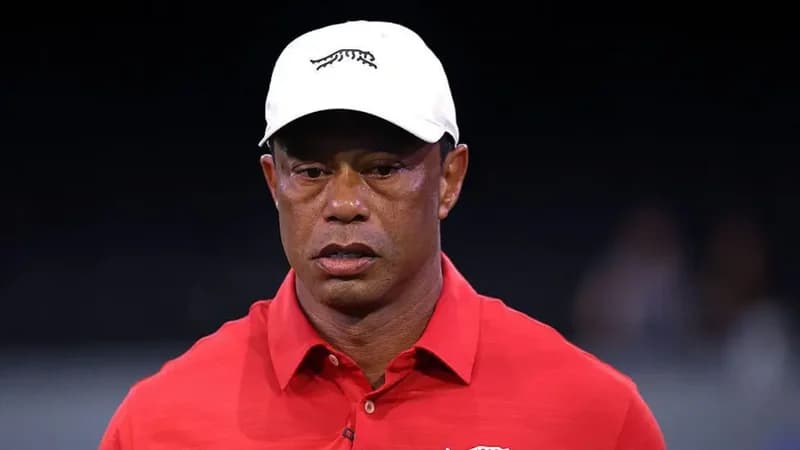
Professional golfer Tiger Woods has been arrested in Florida on charges of driving under the influence (DUI) following a motor vehicle accident. The incident occurred when Woods’ vehicle collided with a truck and subsequently rolled over, causing significant damage. While the golf icon survived the crash, police took him into custody after he displayed visible signs of impairment at the scene. He was detained for approximately eight hours before being released on bail, marking a troubling development for the high-profile athlete.
According to police reports, law enforcement officers discovered two hydrocodone pills in Woods' pocket during the investigation at the crash site. Officers noted that Woods appeared highly lethargic, was sweating profusely, and exhibited dilated pupils. Although he successfully passed a breathalyzer test—suggesting alcohol was not the primary factor—he reportedly refused to undergo a urinalysis. This refusal has led to an additional charge for failing to submit to a lawful testing procedure, alongside the primary DUI and property damage charges.
In his initial statements to authorities, Woods attributed the collision to a momentary distraction. He reportedly claimed he was using his mobile phone or attempting to change radio stations when he lost control of the vehicle. The police report details a scene where Woods' vehicle suffered substantial damage after the impact with the truck. These developments come at a sensitive time for the athlete, who has undergone multiple surgeries in recent years to address chronic physical injuries sustained over his long career.
The arrest marks a significant setback for Woods, who had recently made a return to competitive play, including a recent appearance in the TGL indoor league finals. While he had previously expressed optimism about his future participation in professional golf events, this legal incident and the symptoms described by police raise new questions regarding his recovery process and general health. As the legal proceedings move forward, the sports world remains focused on both the judicial outcome and the potential impact on one of golf's most enduring legacies.
This story touches markets covered on Anansi Intelligence ↗.
More from sports
Continue exploring similar stories


