••
Thomas Partey Leads Youth Outreach in Rhode Island Amid Canada Visa Denial Controversy
•3 min read•6 sources
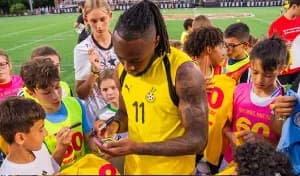
Ghana midfielder Thomas Partey has been at the center of the Black Stars' preparations for the 2026 FIFA World Cup cycle, participating in high-profile community initiatives in the United States while simultaneously facing significant travel restrictions in Canada. During a recent stop at Bryant University in Rhode Island, Partey served as the face of the FIFA-WHO "Be Active" campaign, engaging with local children to promote physical and mental well-being through football. However, this positive community engagement stands in stark contrast to a brewing diplomatic issue, as Canadian authorities have reportedly denied the Arsenal star a temporary residence visa, citing legal complexities that highlight the friction inherent in multi-host international tournaments.
During the event in Rhode Island, Partey joined his teammates in leading football drills and skill sessions for children aged 10 to 14. The initiative, part of a global effort to combat youth inactivity, encourages children to engage in at least 60 minutes of daily exercise. Partey was seen signing autographs and encouraging young participants to embrace healthy lifestyles, leveraging football’s universal appeal to inspire the next generation. While the event was successful in its outreach goals, it also sparked a brief public debate regarding safeguarding protocols for high-profile athletes interacting with minors. Both FIFA and the Ghana Football Association (GFA) have maintained that all activities were conducted in a supervised environment with strict safety measures, reporting no breaches or violations.
Despite the success of the outreach program in the United States, the Black Stars' North American tour has been clouded by Canada’s decision to bar Partey’s entry. Reports indicate that the denial is linked to serious pending legal charges against the midfielder, which triggered Canada’s strict immigration laws. This refusal has led to formal diplomatic protests from the Ghanaian government and underscores a growing friction between FIFA’s tournament requirements and national sovereignty. While the U.S. granted Partey entry for the team’s training camp, Canada’s independent legal framework has exposed a potential fracture in the logistical unity of the 2026 World Cup co-hosts.
As the Black Stars focus on their immediate sporting objectives, including an upcoming match against Panama on June 17, the situation surrounding Partey remains a significant talking point for sports analysts and diplomats alike. The midfielder's dual experience—serving as both a celebrated mentor and a restricted traveler—highlights the complex intersections between international sports, individual accountability, and border policy. For Ghana, the priority remains ensuring the team stays focused on the pitch while navigating the administrative and legal hurdles that may impact their star player’s availability in future North American fixtures.
This story touches markets covered on Anansi Intelligence ↗.
More from sports
Continue exploring similar stories


