••
Thomas Partey Visa Crisis: Ghana Protests Canadian Entry Ban Ahead of Critical World Cup Fixture
•3 min read•11 sources
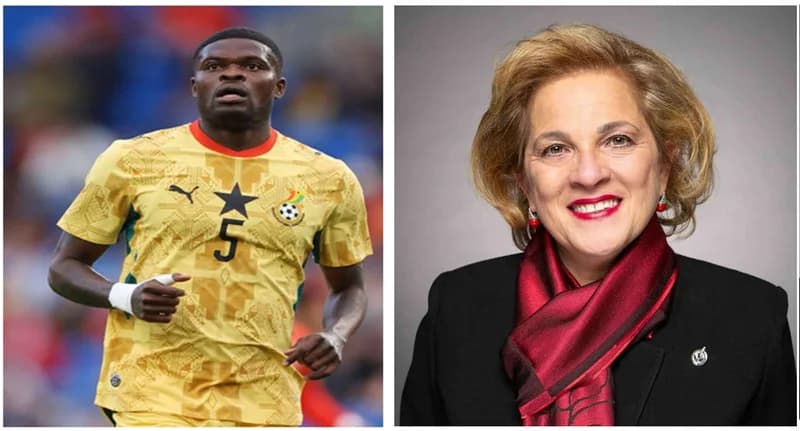
The Ghanaian government and football authorities have launched a formal diplomatic protest against Canada following the denial of a temporary residence visa to Black Stars midfielder Thomas Partey. The Arsenal star, who serves as the national team's deputy captain, was expected to lead Ghana in a crucial World Cup match against Panama scheduled for June 17 in Toronto. Canadian authorities reportedly based the exclusion on Section 36 of the Immigration and Refugee Protection Act, which allows for the denial of entry based on serious criminality or pending criminal charges, even in the absence of a conviction. The Ghanaian Ministry of Foreign Affairs and the Ghana Football Association have argued that the decision is discriminatory and violates the fundamental legal principle of the presumption of innocence, especially as Partey's legal matters in the United Kingdom remain unresolved.
The controversy has escalated due to administrative friction, with Ghanaian officials citing a missing official visa refusal letter that would provide the specific legal grounds for the decision. This lack of transparency has fueled domestic political criticism, most notably from Nana Asafo-Adjei Ayeh, the Member of Parliament for Bosome Freho and Deputy Ranking Member on Parliament’s Foreign Affairs Committee. Ayeh has publicly condemned the government and the World Cup Committee for a lack of foresight, arguing that Partey’s travel complications were predictable given his ongoing legal situation in the UK. He characterized the setback as a failure of proactive diplomacy, urging the Foreign Affairs Ministry to utilize its full diplomatic network to secure a favorable resolution before the team’s departure.
Adding to the discourse, legal activist Oliver Barker-Vormawor has questioned the public outrage surrounding the case, pointing out the discrepancies between Ghanaian public expectations and international legal realities. Barker-Vormawor noted that while the denial is a blow to the national team, it reflects a rigid adherence to immigration frameworks that prioritize preventive security over athletic status. He also drew parallels to the restrictive bail conditions often imposed within Ghana's own justice system, suggests that the outcry reveals a selective application of concern for the rights of the accused. He emphasized that authorities should have been better prepared for the legal barriers Partey would face when traveling to North America.
As the June 17 kickoff approaches, the Ghanaian government is under increasing pressure to intensify its engagement with Canadian officials to facilitate Partey’s entry. The situation highlights a growing tension in international sports governance, where the sovereignty of host nations’ immigration laws frequently clashes with the expectations of global sporting bodies and participating nations. The outcome of this diplomatic standoff will not only impact Ghana’s performance in the World Cup qualifiers but also serve as a significant case study for how multi-host international tournaments navigate the complex intersection of law, diplomacy, and elite sports.
This story touches markets covered on Anansi Intelligence ↗.
More from politics
Continue exploring similar stories


