••
Telecel Ghana Enhances Digital Education Through University Lab Infrastructure and Female Engineering Scholarships
•2 min read•4 sources
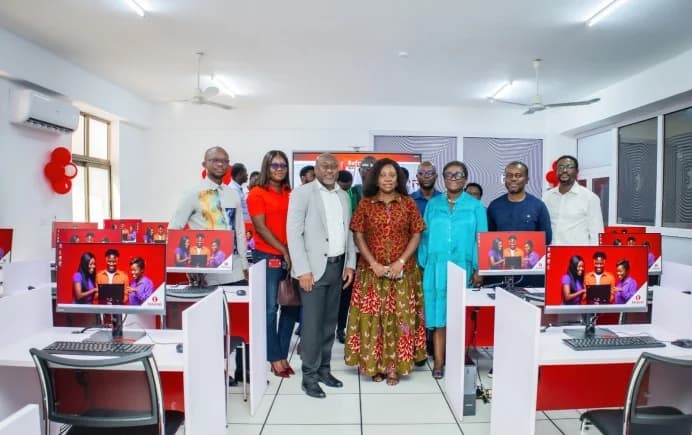
Telecel Ghana has significantly expanded its commitment to national digital transformation by commissioning new information technology infrastructure and awarding scholarships to future female engineers. These initiatives, spanning from basic to tertiary education, underscore the telecommunications giant's strategy to bridge the digital divide and foster a tech-savvy workforce in Ghana. Key recent milestones include the inauguration of a state-of-the-art computer laboratory at the University of Ghana, a refurbished ICT facility in the Eastern Region, and the unveiling of the newest cohort for the company’s flagship female engineering scholarship program.
At the University of Ghana, Telecel inaugurated a 42-unit computer laboratory equipped with an 86-inch interactive touchscreen and dedicated high-speed internet connectivity. This facility, which builds on a strategic partnership established in 2010, is designed to enhance research capabilities and improve the overall educational experience through digital inclusion. Complementing this physical infrastructure, the company also announced ten final-year female students as the 2026 cohort of the Female Engineering Students Scholarship Programme (FESSP). Since its inception in 2011, the FESSP has supported over 100 women in STEM fields, providing financial aid, laptops, mentorship, and internship opportunities to prepare them for professional success.
At the grassroots level, the Telecel Ghana Foundation's Employee Volunteerism Programme (EVP), part of the "Red Hearts" initiative, recently completed a project in the Asuogyaman District. Employees contributed personal funds to refurbish a 20-unit ICT laboratory for students of Asikuma Presby Primary and neighboring schools. During the commissioning ceremony, Telecel officials and local education leaders, including headmistress Regina Ayikpa, emphasized the importance of practical technology exposure. The new lab is expected to provide rural students with the necessary tools to participate effectively in the digital economy and improve their academic outcomes.
These strategic investments reflect a holistic approach to corporate social responsibility, aligning Telecel’s corporate goals with Ghana's national objectives for digital literacy. By providing both the high-end infrastructure required for tertiary research and the foundational support needed in rural primary schools, Telecel Ghana is addressing educational gaps at every level. Company leadership, including CEO Ing. Patricia Obo-Nai, continues to advocate for these partnerships as essential drivers for nurturing local talent and ensuring that the next generation of Ghanaians is globally competitive in an increasingly digital world.
This story touches markets covered on Anansi Intelligence ↗.
More from education
Continue exploring similar stories


