••
Telecel Ghana Introduces Biodegradable Eco-SIM to Combat Plastic Waste in Telecom Sector
•2 min read•1 source
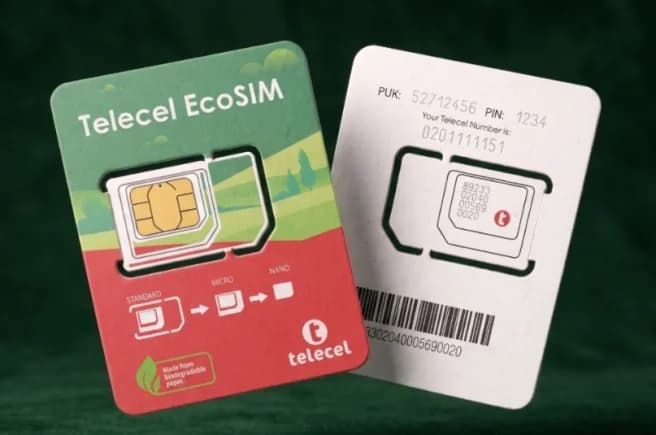
Telecel Ghana has officially launched a new biodegradable "Eco-SIM" card, marking a significant milestone in environmental sustainability within the country's telecommunications industry. This innovative SIM card is manufactured using 90% less plastic than traditional versions, offering subscribers the same reliable connectivity while drastically reducing the ecological footprint associated with mobile technology. As plastic waste becomes an increasingly pressing global issue, this move positions Telecel as a frontrunner in green technology initiatives within the Ghanaian market.
The scale of the environmental challenge addressed by this initiative is immense; approximately 3.7 billion SIM cards are expected to be manufactured globally in 2024 alone. In Ghana, where there are over 43 million active SIM users, the cumulative impact of discarded plastic from traditional card frames is substantial. Aneth Muga, Telecel’s Director of Consumer Business, emphasized that every subscriber who adopts the Eco-SIM is making a direct contribution to climate action. By minimizing the raw plastic required for the card’s outer frame—which is typically discarded immediately after the small SIM chip is removed—the initiative targets one of the most overlooked sources of plastic waste in the digital age.
Beyond the hardware itself, the launch of the Eco-SIM is part of a broader sustainability roadmap for Telecel Ghana. Komla Buami, the Director of External Affairs, noted that the company is actively integrating environmental responsibility into its core operations. This comprehensive strategy includes a transition toward solar-powered network hubs to reduce carbon emissions and investments in reforestation projects. Such efforts suggest that the Eco-SIM is a critical component of a long-term strategy to align the company's business growth with Ghana's national environmental goals.
The introduction of eco-friendly alternatives in the high-volume telecom sector sets a precedent for other service providers across the region. As Ghanaian consumers become more environmentally conscious, the demand for sustainable products and corporate accountability is expected to rise. For Telecel, this initiative serves as both a corporate social responsibility milestone and a strategic differentiator in a competitive market. Moving forward, the success of the Eco-SIM could encourage further innovations in biodegradable materials and sustainable practices across various consumer electronics industries in West Africa.