••
Telecel Ghana Launches Biodegradable Eco-SIM to Reduce Plastic Waste and Support Climate Action
•2 min read•2 sources
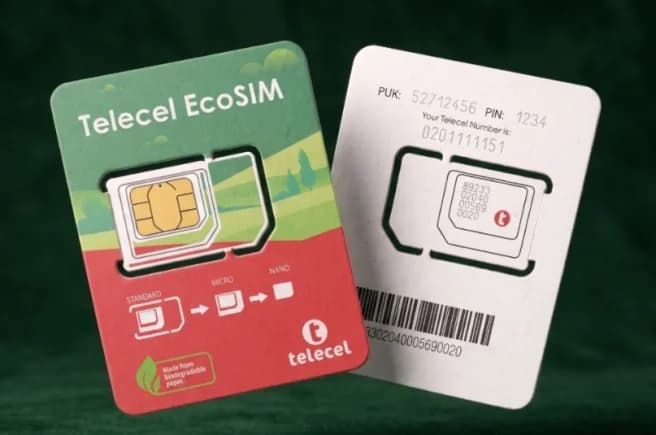
Telecel Ghana has officially introduced a biodegradable Eco-SIM card, marking a significant shift toward environmental sustainability in the country’s telecommunications sector. This new offering is designed to use 90% less plastic than traditional SIM cards while maintaining the same level of network reliability and service quality. With over 43 million active mobile users in Ghana, the move addresses a critical environmental challenge by offering a greener alternative to the millions of plastic cards currently in circulation and encouraging responsible consumer choices.
The launch of the Eco-SIM comes at a time when the global telecommunications industry is under increasing pressure to reduce its carbon footprint. In 2024 alone, an estimated 3.7 billion physical SIM cards were manufactured worldwide, contributing significantly to the global accumulation of non-biodegradable waste. By transitioning to this eco-friendly material, Telecel aims to mitigate the environmental impact of its operations without compromising the connectivity needs of its subscribers. The initiative directly targets growing concerns regarding plastic pollution, providing a practical solution for environmentally conscious consumers in the digital age.
Highlighting the company's commitment to climate action, Telecel’s leadership emphasized the collective impact of this transition. Aneth Muga, Telecel's Director of Consumer Business, and Komla Buami, Director of External Affairs, noted that every Eco-SIM user becomes an active participant in global sustainability efforts. This initiative is not an isolated project but part of a broader corporate strategy that includes transitioning to solar-powered hubs and engaging in reforestation projects across the country. These efforts reflect a comprehensive approach to integrating environmental responsibility into the core business model of the telecom provider.
As Ghana continues to embrace digital transformation under the leadership of President John Mahama, the introduction of the Eco-SIM sets a precedent for other technology and telecommunications firms to adopt sustainable practices. Beyond reducing physical waste, the initiative aligns with national goals for environmental protection and climate resilience. As Telecel continues to roll out these biodegradable cards, the focus remains on balancing technological advancement with the urgent need for climate-positive innovation, ensuring that the digital future is both connected and environmentally sustainable.
Related topic
John Mahama: Latest News & Updates →
