••
WHO Chief Urges Urgent Action as Ebola Deaths in DR Congo Exceed 1,800 Amid Health Worker Strikes and New Infection Risks
•3 min read•9 sources
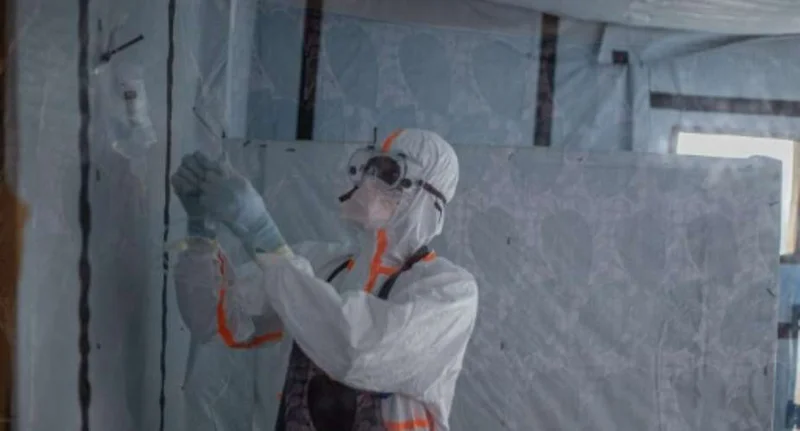
The Democratic Republic of Congo (DRC) is facing an increasingly critical health crisis as the current Ebola outbreak—the largest in the country's history—reaches nearly 4,000 confirmed cases and more than 1,800 fatalities. World Health Organization (WHO) Director-General Tedros Adhanom Ghebreyesus, during a visit to the region, warned that the outbreak is outpacing containment efforts. The situation is particularly dire in the eastern provinces of Ituri and Tshopo, where the Bundibugyo strain of the virus has spread rapidly. While the capital, Kinshasa, has so far avoided the brunt of the epidemic, health authorities are on high alert as the virus threatens to migrate along major transport routes.
Fears of the virus reaching Kinshasa intensified recently after authorities intercepted a passenger boat, the Yingfeng 2, on the Congo River. The vessel, carrying 255 passengers, was quarantined near Bende Bende port, approximately 65 kilometers from the capital, following the death of a passenger who had previously disembarked with symptoms of fever and diarrhea. Health Minister Roger Kamba confirmed that a mobile laboratory has been established on the boat to screen all passengers for both Ebola and cholera. Although no passengers have tested positive thus far, the incident underscores the logistical challenges of monitoring movement in a region where late detection has contributed to a high fatality rate.
Internal systemic issues are further hampering the medical response. In Bunia, the capital of Ituri province, dozens of frontline health workers have gone on strike to protest months of unpaid wages. Ituri accounts for nearly 90 percent of the current cases, making the labor dispute a significant threat to containment. Doctors Without Borders (MSF) has noted that the response is at a "more critical than ever" stage, pointing out that 90 percent of patients in some areas were not identified as known contacts before being hospitalized. This lack of effective contact tracing, compounded by community distrust and the onset of the rainy season, has made it difficult for humanitarian teams to gain the upper hand.
International support is scaling up in response to the deteriorating situation. The United States recently announced an additional $242 million in funding, bringing its total contribution to over $512 million for the Ebola response. Meanwhile, hope for a long-term solution rests on clinical trials; Canada has recently approved trials for a vaccine targeting the Bundibugyo strain. As the WHO and the Congolese Ministry of Health intensify community engagement and resource distribution, the success of these efforts remains dependent on restoring trust within local communities and ensuring that frontline workers are adequately compensated and protected.
This story touches markets covered on Anansi Intelligence ↗.
More from health
Continue exploring similar stories


