••
WHO Director-General Tedros Adhanom Ghebreyesus Warns DRC Ebola Outbreak Could Become Deadliest in History
•2 min read•10 sources
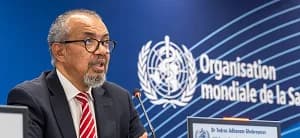
The World Health Organization (WHO) has issued a stark warning regarding the escalating Ebola outbreak in the Democratic Republic of Congo (DRC), with Director-General Tedros Adhanom Ghebreyesus stating the crisis is on track to become the deadliest in history. Since the outbreak was officially declared on May 15, the epidemic has rapidly progressed, recording over 4,300 cases and more than 2,000 deaths. Dr. Tedros noted that the current trajectory threatens to surpass the devastating 2014–2016 West African outbreak, which claimed more than 11,000 lives. The WHO chief recently visited the DRC to assess the situation firsthand, praising the country's leadership for their commitment while emphasizing that current measures are insufficient to stem the tide of the "disturbing records" being set by the virus.
A primary factor complicating the response is the specific nature of this outbreak, which is caused by the rare Bundibugyo strain of the Ebola virus. Unlike more common strains, there are currently no approved vaccines or specific treatments available for Bundibugyo. The situation was further exacerbated in its early stages by frequent misdiagnoses; because initial symptoms often resemble those of malaria or typhoid fever, many cases went undetected or were improperly managed. Experts believe the outbreak may have begun as early as February, months before the official declaration, allowing the virus to gain a significant foothold in the region.
Operational challenges in the eastern DRC continue to hamper containment efforts, with regional instability, poor infrastructure, and widespread misinformation creating a volatile environment for health workers. Misinformation has fueled public distrust, sometimes leading to resistance against medical interventions and contact tracing efforts. Dr. Tedros highlighted that while the WHO is working closely with local health systems, the combination of conflict and social suspicion makes this one of the most complex public health emergencies the organization has faced in recent years.
In response to the growing threat, global researchers are accelerating efforts to deploy new countermeasures, including the authorization of human trials for vaccines developed using modern technologies. The WHO is also spearheading clinical trials for various therapies to improve patient survival rates. While the organization aims to bring the transmission under control within the next three months, officials stress that total eradication will require sustained international support, enhanced cross-border surveillance, and deeper community engagement. Strengthening local healthcare systems and fostering regional collaboration across Central and East Africa remain the most critical priorities in preventing a wider continental catastrophe.
This story touches markets covered on Anansi Intelligence ↗.
More from health
Continue exploring similar stories


