••
TechServe Employability Programme Launched to Bridge Gender Gap in Ghana’s Tech Sector
•2 min read•1 source
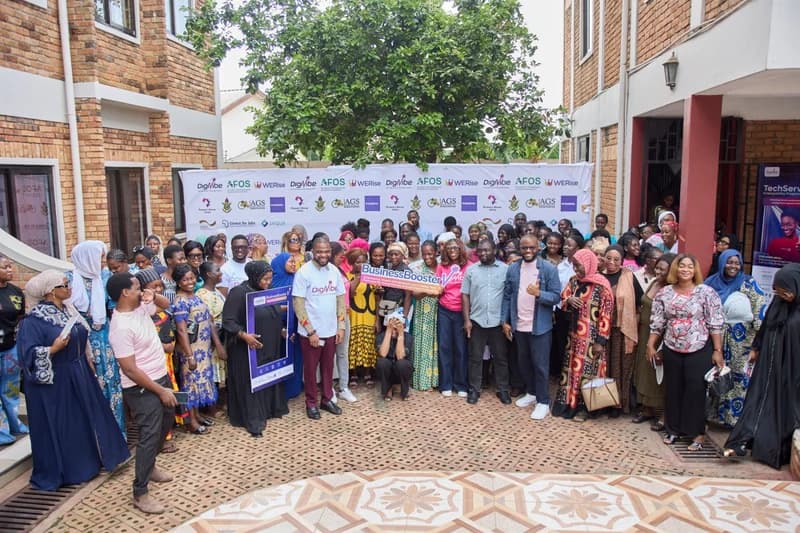
The Association of Ghana Startups (AGS), in a strategic partnership with the AFOS Foundation and the WERise Network, has officially launched the TechServe Employability Programme. This initiative is designed to bridge the significant gender disparity within Ghana's burgeoning technology sector by placing female ICT graduates directly into the startup ecosystem. As a key component of the broader AGS-National Service Secretariat (NSS) Startup Employment Support Program, the project underscores a national commitment to leveraging youth talent to drive economic innovation and digital inclusion across the country.
At its core, the TechServe Employability Programme targets the recruitment of at least 300 female graduates, matching them with over 100 local startups. Beyond simple job placement, the program offers a comprehensive support system that includes structured mentorship and specialized career coaching. This dual approach ensures that participants do not only find employment but are also equipped with the professional resilience and technical guidance necessary to thrive in high-pressure entrepreneurial environments. By integrating these graduates into the NSS framework, the initiative provides a formalized pathway for young women to transition from academia to impactful roles in the digital workforce.
The collaboration reflects a growing recognition of the need for an inclusive digital economy in Ghana. By focusing on women in ICT, the AGS and its partners are addressing a critical bottleneck where female talent often remains underutilized in tech-centric roles. The program's design encourages startups to become incubators for female leadership, potentially transforming the corporate culture of Ghana's tech scene. Organizers have emphasized that the success of such initiatives depends on collective action, calling upon corporate organizations and other industry stakeholders to provide the necessary resources and sponsorship to scale the project’s impact.
Looking forward, the TechServe Employability Programme is expected to set a benchmark for public-private partnerships in the education-to-employment pipeline. As these 300 women begin their placements, the resulting influx of diverse perspectives is likely to spark innovation within the participating startups. Ultimately, the initiative represents more than just a recruitment drive; it is a strategic investment in the future of Ghana's digital infrastructure, ensuring that the next generation of tech leaders is representative of the nation's diverse talent pool.
This story touches markets covered on Anansi Intelligence ↗.
More from technology
Continue exploring similar stories


