Ghana News AI
HomeBriefsAsk GhanaTopicsTools
•
•

Stay Informed

Get AI-curated news briefs from Ghana delivered to your inbox every morning. Free forever, no spam.

Explore

  • Home
  • Briefs
  • About

Categories

  • Politics
  • Business
  • Sports
  • Entertainment
  • Africa

Features

  • Analysis
  • Cedi Rates
  • Dollar to Cedi
  • Ghana Gold Price
  • BoG Policy Rate

Topics

  • Armed Forces Recruitment
  • WAEC Results & News
  • Nana Ama McBrown
  • NDC News
  • All Topics

Legal

  • Privacy Policy
  • Terms of Service
Ghana News AI© 2026. All rights reserved.
Made withfor Ghana
technology

TCC-CIMET Unveils 2026 Innovation Challenge to Drive AI-Driven Engineering Solutions Across West Africa

25th March•2 min read•1 source
TCC-CIMET Unveils 2026 Innovation Challenge to Drive AI-Driven Engineering Solutions Across West Africa
  1. Home
  2. /Technology
  3. /TCC-CIMET Unveils 2026 Innovation Challenge to Drive AI-Driven Engineering Solutions Across West Africa

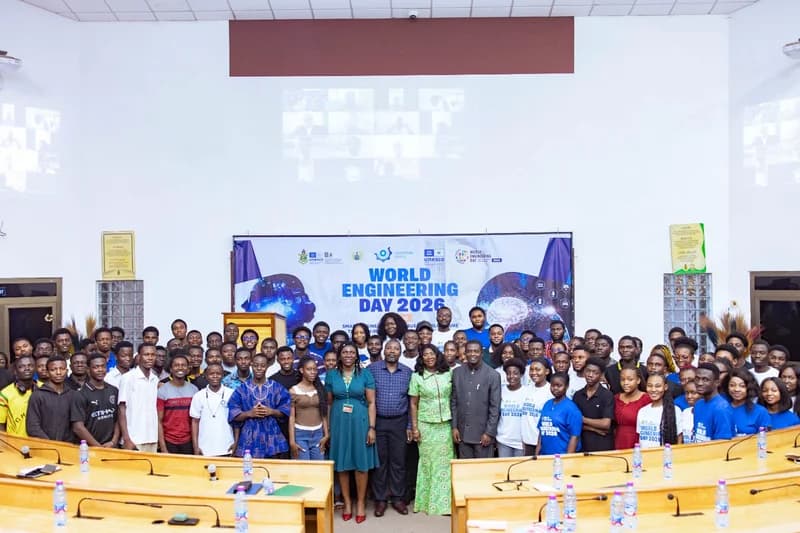
The Technology Consultancy Centre (TCC-CIMET) has officially launched its 2026 Annual Innovation Challenge, marking a significant milestone in West Africa's engineering and technological landscape. Unveiled during a hybrid webinar held in observance of World Engineering Day, the initiative is centered on the theme "AI and Digital Engineering for Sustainable Development." This competition seeks to mobilize the creative potential of students and researchers to address pressing regional issues through the lens of modern digital tools. Keynote speaker Leonardo Garcia Bottia highlighted the transformative potential of artificial intelligence in crafting engineering solutions that align with global sustainability goals. This sentiment was echoed by Ing. Mark Baah and Prof. Samuel Owusu-Ofori, who emphasized that the challenge is specifically designed to inspire young innovators to tackle unique African hurdles. A primary focus of the 2026 edition is the circular economy, encouraging participants to develop systems that minimize waste and maximize resource efficiency—a critical need for the continent’s growing industrial sector. TCC-CIMET’s Director-General, Francis Davis, issued a strong call to action for students, urging them to participate and push the boundaries of conventional thinking. Davis assured potential entrants that the center is committed to providing robust support for promising ideas, ensuring that the most innovative concepts have a pathway toward real-world implementation. This support structure is a core component of the challenge, aiming to bridge the gap between academic theory and practical, market-ready engineering solutions. Beyond the competition itself, the initiative represents a broader effort to modernize engineering education across West Africa. By integrating AI and digital engineering into the competitive framework, TCC-CIMET is fostering a new generation of technical experts equipped to navigate the complexities of the 21st century. The move underscores the commitment of regional stakeholders to leveraging high-tech innovation for long-term economic and environmental stability.

Our Take

From the Team

Coming Soon

Our team will add key insights, trends, and actionable takeaways to help you stay informed faster.

This story touches markets covered on Anansi Intelligence ↗.

More from technology

Continue exploring similar stories

Some key stakeholders at the Cybersecurity Roundtable
technology|Yesterday

Academic City and Cyber Security Authority Call for Urgent Digital Reforms After GH¢19.3m Losses

Academic City University College, in collaboration with the Institute of ICT Professionals Ghana (IIPGH) and the Cyber Security Authority (CSA), has issued an urgent call for enhanced digital accountability and public awareness following a sharp rise in cybercrime. A newly released white paper highlights that Ghana has suffered a staggering financial loss of over GH¢19.3 million due to cyber incidents in the first nine months of 2025 alone. Under the current administration of President John Mahama, who was inaugurated in January 2025, the push for a more resilient digital ecosystem has become a critical national priority to protect both individual citizens and the broader economy from increasingly sophisticated threats. The report details a worrying trend in the digital landscape, documenting 14,425 reports and 3,286 confirmed cyber incidents between January and September 2025. The white paper identifies several systemic vulnerabilities, most notably a pervasive lack of digital literacy and an insufficient pool of skilled cybersecurity professionals. Furthermore, the findings suggest that many cyber incidents go unreported, masking the true scale of the problem and hindering the ability of authorities to respond effectively. This gap in reporting is often attributed to limited public trust in digital systems and a lack of knowledge regarding existing reporting mechanisms. To address these challenges, the partnering organizations recommend a multi-sectoral approach centered on education and transparency. The white paper advocates for comprehensive national awareness campaigns that utilize various media platforms to reach diverse demographics across the country. By improving public understanding of digital hygiene and the specific risks associated with online activities, the partners aim to foster a culture of cybersecurity. Additionally, the report calls for a stronger framework for digital accountability, ensuring that organizations and service providers adhere to rigorous security standards to safeguard user data. The call for action comes at a pivotal time as Ghana continues to rapidly digitize its public and private services. Stakeholders emphasize that without a robust cybersecurity infrastructure and a tech-savvy populace, the country's digital economy remains vulnerable to disruption. Moving forward, the implementation of these recommendations will require close cooperation between academia, the private sector, and government agencies like the CSA. By bridging the skills gap and prioritizing public education, Ghana aims to restore trust in its digital ecosystem and mitigate the heavy financial and social costs of cybercrime.

Amazon to Scale Drone Deliveries to 500 U.S. Locations by End of Year
technology|Yesterday

Amazon to Scale Drone Deliveries to 500 U.S. Locations by End of Year

Amazon has announced a massive expansion of its Prime Air drone delivery service, with plans to reach approximately 500 U.S. cities and towns by the end of the year. This initiative represents a significant leap from the 11 locations currently served and follows over a decade of research and development. The project, which was famously first proposed by Jeff Bezos in 2013, is moving into its most ambitious phase yet, with new service areas slated for Syracuse, New York, and regions near Cleveland, Ohio. This rollout highlights Amazon's commitment to revolutionizing last-mile logistics through automated aerial technology. The service will feature a tiered pricing structure aimed at making drone delivery a viable option for a broad range of consumers. Standard deliveries are expected to cost $4.99, while Amazon Prime members will benefit from a reduced rate of $2.99. Furthermore, the company plans to offer free drone delivery for orders exceeding $50. While Amazon has secured broad approval from the Federal Aviation Administration (FAA) for its flight operations across much of the United States, it still requires site-specific regulatory permissions from local authorities before launching in each new municipality. Despite the logistical benefits, the expansion is not without challenges. Local residents in potential expansion areas have expressed concerns regarding noise pollution, safety, and personal privacy. Amazon continues to engage with these communities, emphasizing the utility of the service for those in urgent need of household or medical supplies. As the company works through these regulatory and public relations hurdles, the success of the 500-city expansion will likely determine the long-term viability of drone technology in the global retail landscape.

Ghana's Digital Expansion Under Threat as Fibre Optic Cuts Surge to Over 10,000 Annually
technology|Yesterday

Ghana's Digital Expansion Under Threat as Fibre Optic Cuts Surge to Over 10,000 Annually

Ghana’s push for a robust digital economy is being undermined by a surge in fibre optic cable cuts, primarily triggered by ongoing construction and infrastructure projects. Data reveals a staggering increase in damage to telecommunications infrastructure, resulting in millions of cedis being diverted from expansion projects toward costly repairs. As President John Mahama’s administration prioritizes digital transformation following his inauguration in January 2025, the frequency of these disruptions poses a significant threat to national connectivity and economic growth. According to consolidated industry data from the GCT Monthly Fibre Cuts report, the number of incidents reported by telecommunications operators spiked dramatically from approximately 3,900 cuts in 2021 to a record 10,034 in 2022. While recent figures show some fluctuation, analysts project that without intervention, Ghana could continue to see more than 8,000 annual cuts. These incidents are largely attributed to a lack of coordination between road contractors and utility providers, where excavation activities frequently sever the backbone of the nation's internet and data services. To combat this drain on resources, experts and industry stakeholders are advocating for the implementation of the "Dig Once" principle. This initiative seeks to integrate the laying of digital infrastructure directly into the planning and execution phases of road construction and other civil works. By creating dedicated pathways and conduits for fibre during the initial construction of roads, the government can significantly reduce the likelihood of future damage, streamline expansion efforts, and ensure that investments in physical infrastructure do not come at the expense of digital stability. Protecting telecommunications infrastructure is increasingly viewed not just as a technical hurdle for private operators, but as a critical pillar of national economic policy. As Ghana seeks to maximize its investments in digitalization, the focus must shift toward better inter-agency collaboration and the enforcement of stricter protections for sub-surface cables. Solving the crisis of fibre cuts will be essential for the Mahama administration to deliver on its promise of a seamless, high-speed digital future that supports businesses and citizens alike.

Samsung Launches Galaxy Z Fold8 in Ghana Market with Advanced AI Features and Lightweight Design
technology|Yesterday

Samsung Launches Galaxy Z Fold8 in Ghana Market with Advanced AI Features and Lightweight Design

Samsung has officially commenced the sale of its latest flagship foldable smartphone, the Galaxy Z Fold8, across the Ghanaian market. This rollout follows the device's initial global unveiling at the Galaxy Unpacked event held in July, where it was positioned as a leader in the next generation of mobile technology. Pre-order customers, who have been anticipating the arrival of the handset since the announcement, are now eligible to collect their devices from various authorized retail stores and partner outlets nationwide. The Galaxy Z Fold8 introduces several hardware refinements aimed at improving the daily user experience. Most notably, the device features a significantly lightweight construction, weighing just 201 grams. This design choice addresses a common critique of foldable handsets, making the device more comfortable for extended use. Additionally, the Fold8 boasts a wider display for enhanced visibility and a dual 50 MP camera setup, which is engineered to deliver high-resolution imagery and professional-grade video quality for Ghanaian content creators and photography enthusiasts. Beyond its physical specifications, Samsung has heavily integrated Artificial Intelligence (AI) into the Fold8’s ecosystem. These AI capabilities are designed to boost productivity and foster creativity by offering smarter multitasking tools and more intuitive software interactions. By leveraging the large screen real estate with advanced AI-driven workflows, the device seeks to bridge the gap between a standard smartphone and a portable workstation, catering to the needs of the modern professional in Ghana's fast-evolving digital economy. The official launch is supported by a robust distribution network, with the device available at Samsung-authorized retail stores and selected telecommunications partners. As the foldable market continues to mature globally, the introduction of the Galaxy Z Fold8 in Ghana reflects the growing demand for premium, innovative mobile technology in the West African region. Interested consumers are encouraged to visit experience centers to explore the new features firsthand as the device becomes a central fixture in the high-end smartphone segment.

All
africa
business
education
entertainment
health
news
politics
sports
technology