••
Tanzanian Innovators Develop "Miwani Janja" AI-Powered Smart Glasses to Assist Visually Impaired Persons
•2 min read•1 source
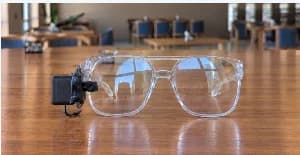
A team of four visionary innovators in Tanzania has embarked on a groundbreaking project to enhance the lives of the visually impaired through the application of artificial intelligence. The project, centered on the development of specialized smart glasses dubbed "Miwani Janja" (Smart Glasses), represents a significant step forward in the evolution of assistive technology within the East African region. By leveraging AI, the development team aims to bridge the gap between visual limitations and information access, offering a tool that translates the visual world into a comprehensive audible experience for its users.
The core functionality of the Miwani Janja glasses lies in their ability to perceive and interpret the user's immediate environment in real-time. Using integrated AI technology, the device is designed to scan surroundings and provide detailed audio descriptions to the wearer. This includes identifying physical objects and obstacles, thereby allowing individuals with visual impairments to navigate both indoor and outdoor spaces with greater confidence and safety. The innovators have emphasized that the goal is to provide a seamless and intuitive interface that effectively transforms how users interact with the world around them, moving beyond traditional aids.
With the project currently in its development and refinement phase, the team anticipates that Miwani Janja will be ready for a commercial market launch by March next year. This timeline suggests that the innovators are currently focused on rigorous testing to ensure the device meets the practical, daily needs of its target audience. Beyond the technical achievement, the initiative highlights a growing trend of homegrown African tech solutions tailored to solve local social challenges. By promoting independent access to information, these glasses could significantly reduce the reliance of visually impaired individuals on human guides.
As the anticipated launch date approaches, the development of Miwani Janja serves as a testament to the potential of artificial intelligence to foster social inclusivity and empowerment. If successful, the project could serve as a vital model for other tech-driven social enterprises across the continent seeking to address disability rights and accessibility. For now, the focus remains on finalizing the prototype and ensuring that the final product remains a viable, life-changing innovation for the millions of people living with visual impairments who stand to benefit from such technology.