••
Ghanaian Experts Propose Strategic Reforms to Align Academic Research with Industry Needs and Farmer Wellbeing
•3 min read•5 sources
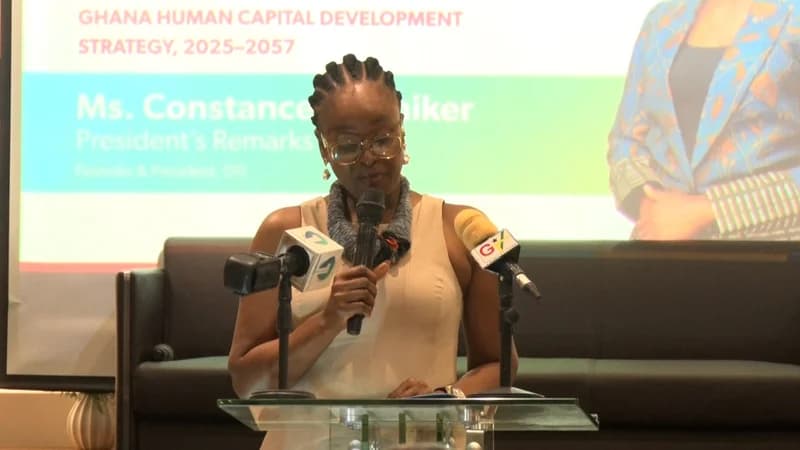
Education and industry leaders in Ghana are calling for a fundamental shift in how the nation approaches human capital development, highlighting a critical mismatch between academic output and labor market requirements. At the Industry-Academia Roundtable 2026, Constance Swaniker, Founder and President of the Design and Technology Institute (DTI), emphasized that Ghana’s youth unemployment rate of 32.1% is largely driven by a skills gap. Citing Ghana’s World Bank Human Capital Index score of 0.45, Swaniker argued that while educational access has improved, graduates remain underprepared for productive work. She advocated for industry-led training and a coordinated strategy to ensure that curriculum design directly reflects the needs of the modern economy, transforming the youthful population into a competitive economic advantage.
Complementing this call for industry-aligned education, innovation advocate Creppy Emmanuel has proposed the establishment of a "Ghana Thesis Bank" to monetize and commercialize the vast amount of academic research currently gathering dust in university archives. Emmanuel argues that university theses represent a "million-dollar bank" of intellectual property that could generate jobs and policy innovations if properly utilized. By adopting successful models from the United States and South Africa, Ghana could treat academic research as a commercial asset, ensuring that local knowledge contributes directly to the national economy rather than remaining trapped in institutional repositories.
The practical necessity of research-backed policy is further evidenced in the agricultural sector, where findings from the Kwame Nkrumah University of Science and Technology (KNUST) suggest that current cocoa policies are failing due to a lack of focus on human welfare. Dr. Albert A. Arhin from KNUST, alongside Jose Lopez Ganem of the Institute for Cacao and Chocolate Research, revealed that declining cocoa yields—which have dropped from 800,000 to 600,000 tonnes—are inextricably linked to the deteriorating health and wellbeing of farmers. Their study of over 1,000 farmers across Ghana and Côte d’Ivoire highlights that productivity interventions alone are insufficient if they do not address the physical resilience of the workforce and the impacts of climate change.
To bridge these gaps, experts are urging a more integrated approach to national development that links education, research, and industry. Whether through the implementation of industry-led vocational training, the commercialization of academic theses, or the adoption of healthcare models like Taiwan's to support the agricultural workforce, the consensus is clear: Ghana must better localize the value created within its academic institutions. Moving forward, stakeholders believe that stronger collaboration between the government, private sector, and academia will be essential to fostering a resilient economy where education leads directly to productivity and sustainable growth.
This story touches markets covered on Anansi Intelligence ↗.
Live rates
Dollar to cedi rate →More from education
Continue exploring similar stories


