••
Environmental Crises and Migration Tragedies: Sudan and Morocco Face Mounting Humanitarian Pressures
•2 min read•3 sources
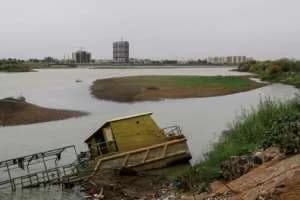
The African continent is currently grappling with a dual crisis of environmental degradation and humanitarian instability, as evidenced by the worsening agricultural outlook in Sudan and the tragic loss of life along the borders of North Africa. In Sudan, the combination of a powerful El Nino pattern and ongoing internal conflict has left vital farmlands along the Nile barren, while in Ceuta, authorities have been forced to inter unidentified migrants following a desperate border crossing attempt from Morocco. These events highlight a growing trend of climate-driven displacement and resource scarcity that is testing the resilience of communities across the region and beyond. In Sudan, the situation has reached a critical point as the United Nations warns of a significant surge in hunger. Farmers who traditionally rely on the Nile's seasonal cycles are struggling with delayed rainfall and low water availability, a situation worsened by the rising costs of agricultural inputs linked to geopolitical tensions. While some have attempted to pivot toward drought-resistant crops, the scale of the drought—coupled with the displacement caused by the nation’s war—has made maintaining food security nearly impossible. This agricultural failure reflects a broader regional vulnerability to extreme climate patterns which continue to disrupt traditional farming cycles. Desperation fueled by economic and environmental instability is also driving dangerous migration. In Ceuta, a Spanish enclave, local authorities recently buried four individuals who perished during a border rush from Morocco. These victims were laid to rest in numbered graves using cinderblock plots, a somber reflection of the anonymity associated with the migrant journey. Small gatherings of locals witnessed the burials, which serve as a stark reminder of the human cost of the migration crisis currently unfolding across North African corridors. These challenges are not unique to Africa, as similar patterns of climate-induced water scarcity are triggering innovative responses globally. In India, communities are reviving ancient water harvesting systems such as baoris and johads to combat the failure of modern infrastructure. The restoration of the Moosi Rani Sagar stepwell in Rajasthan provides a potential blueprint for integrating traditional knowledge into modern water management. As climate patterns become increasingly unpredictable, the intersection of environmental failure and humanitarian tragedy underscores the need for comprehensive policy interventions. Moving forward, regional leaders and international bodies must prioritize both immediate humanitarian aid and long-term climate adaptation strategies to prevent further loss of life and ensure the sustainability of livelihoods across the continent.

