••
Stonebwoy Makes History at OVO Arena Wembley as "Afro Dancehall Pele"
•2 min read•7 sources
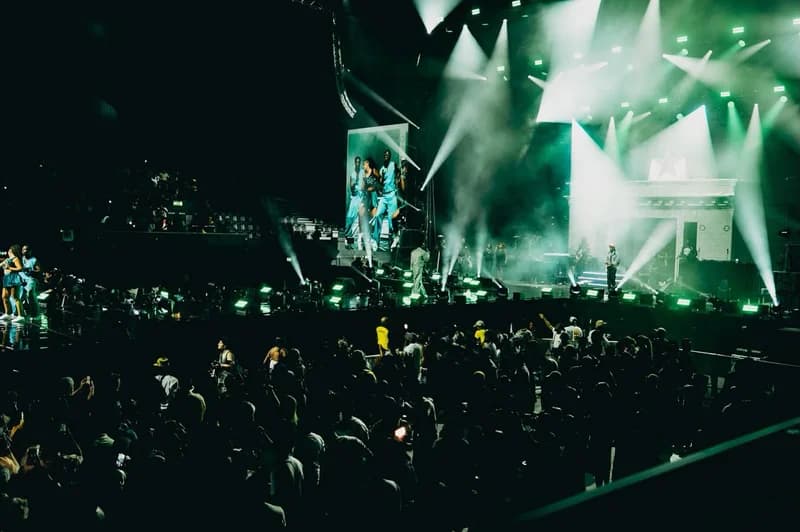
Livingstone Etse Satekla, popularly known as Stonebwoy, has etched his name into the annals of music history as the first Ghanaian artist to headline a major concert at the OVO Arena Wembley in London. Billed as the UK debut of his annual BHIM Festival, the event on August 15 saw the artist, now being hailed as the "Afro Dancehall Pele," take the stage at the 12,500-capacity venue. The milestone was celebrated by Stonebwoy as a "triumph of light over darkness," marking a significant expansion of his brand onto the international stage and reinforcing the growing global influence of Ghanaian music and African narratives.
The performance was a high-octane showcase of talent and heritage, featuring a star-studded lineup that included Ghanaian legend Samini and Nigerian superstars Tiwa Savage and Mr P. Stonebwoy’s set was rich with cultural symbolism, incorporating elements such as the Black Star and cowries to project Ghana's indigenous culture to a diverse international audience. This meticulous branding and audience engagement highlighted his unique ability to connect local rhythms with a global fanbase, further solidifying his reputation as a pioneer who remains deeply rooted in his heritage while achieving worldwide success.
Despite the celebratory atmosphere, the event sparked a nuanced discussion within the industry regarding attendance and transparency. While many reports described the show as sold out, some observers pointed to closed sections within the arena, prompting debates on the necessity of accurate data in the Ghanaian music market. Industry critics emphasized that for Ghanaian music to compete with the measurable successes seen in markets like Nigeria, there must be a move toward verifiable ticket sales and attendance figures to ensure sustainable growth without the need for embellishment.
Beyond the music itself, the Wembley success has served as a catalyst for broader conversations about the management of Ghana's creative arts sector. Musician and politician Kwame Asare Obeng, known as A-Plus, urged stakeholders to depoliticize the industry, arguing that collaboration across political lines is essential for national entertainment to thrive globally. Furthermore, analysts have noted that Stonebwoy’s success underscores the importance of professional planning and crowd management—areas where local Ghanaian events have recently struggled—offering a blueprint for how future organizers can elevate the industry to meet international standards.
Related topic
Stonebwoy: Latest News & Updates →