••
St Monica’s College and Advocacy Groups Call for Holistic Support for Girls’ Education and Women in Leadership across Ghana
•2 min read•4 sources
Recent events across Ghana have brought the critical need for gender-focused education and professional support systems to the forefront of national discourse. At the 95th anniversary celebration of St Monica’s College of Education, the Council Chairman, Most Rev. Dr. Cyril Ben-Smith, described girls' education as the nation’s most potent tool for sustainable development. Highlighting the historic role of the college as a premier teacher training institution, Dr. Ben-Smith emphasized that while progress has been made, cultural attitudes and economic barriers continue to limit the potential of many young women, hindering broader community growth and social cohesion.
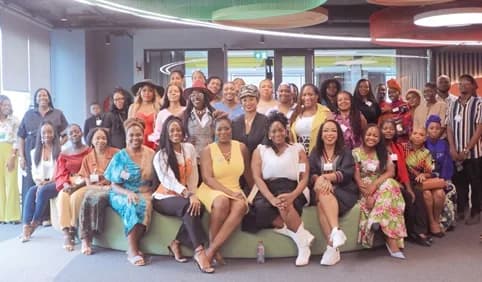
Building on the foundation of educational access, the ‘Women Who Build’ Summit recently held in Accra shifted the focus toward the professional challenges faced by women in leadership and business. Panellists Baaba Cofie, a lecturer at Wisconsin International University College Ghana, and Edwards Day-Antwi, CEO of ChurchSpace, advocated for a societal shift in how women's professional lives are perceived. Cofie urged employers to demonstrate greater empathy regarding the biological and health challenges unique to women, while Day-Antwi criticized traditional norms that pressure women to downplay their achievements. Both leaders identified the lack of affordable childcare as a significant hurdle preventing working mothers from pursuing high-level career ambitions without sacrifice.
The drive for female empowerment also addressed practical health barriers that often disrupt schooling for younger girls. At the Nkontompo AME Zion School, the Equibloom Foundation organized a menstrual hygiene program to coincide with World Menstrual Hygiene Day. The initiative, led by founder Ursula Adadzewa Fynn, provided students with essential hygiene products and education to dispel common myths surrounding menstruation. By addressing health and dignity in the classroom, the program aims to reduce absenteeism and ensure that biological realities do not become obstacles to academic success.
Collectively, these developments underscore a multi-faceted approach to empowerment that begins with hygiene education in primary schools and extends through specialized training at institutions like St Monica’s, eventually culminating in a call for systemic changes in the workplace. Leaders and advocates are increasingly calling for a unified effort to dismantle the economic and social barriers that prevent women from contributing fully to Ghana’s national development. The consensus remains clear: supporting women at every stage of their lives—from the classroom to the boardroom—is essential for the country's future prosperity.
This story touches markets covered on Anansi Intelligence ↗.
More from education
Continue exploring similar stories


