••
Sri Lanka Intensifies Prison Security Following Fatal Riot at Overcrowded Mahara Facility
•2 min read•3 sources
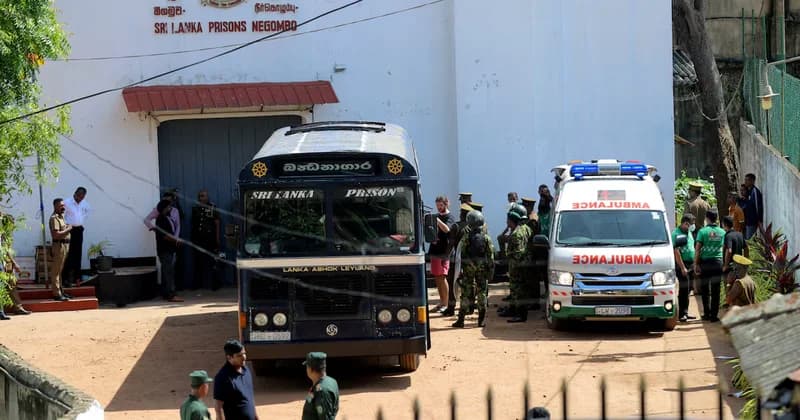
Sri Lankan authorities have significantly bolstered security across the nation's correctional facilities following a deadly riot at the Mahara prison. The unrest, which resulted in the death of one inmate and left six others injured, has once again brought the issue of prison overcrowding and safety into the national spotlight. In the immediate aftermath of the violence, law enforcement and military personnel were deployed to restore order, and a temporary police curfew was enforced in surrounding communities to ensure public safety and prevent further escalation.
The disturbance reportedly erupted during family visiting hours, a period intended for inmate-family reconnection that instead turned chaotic. Inmates caused extensive damage to the facility's infrastructure and intentionally set fires that disrupted prison operations. This latest incident is part of a troubling pattern of volatility within the Mahara facility, which currently houses approximately 4,100 inmates. This population figure is staggering when compared to the facility's intended design capacity, representing a fourfold overextension that creates a volatile environment for both staff and detainees.
This riot is not an isolated event but rather a symptom of a systemic crisis within Sri Lanka’s penal system. The country’s prisons are currently struggling to manage a total of over 41,000 inmates, far exceeding the total infrastructure's capabilities. This overcrowding has previously led to lethal outcomes; notably, violent clashes in July resulted in multiple fatalities and necessitated direct military intervention to quell the uprisings. The recurring nature of these events highlights the persistent tension and dangerous conditions inherent in the current state of the nation's prisons.
While the police curfew in the areas neighboring Mahara has since been lifted, the government remains on high alert. The intensification of security measures, including the integration of police and military support, aims to provide a buffer against future unrest as the state grapples with the long-term challenge of prison reform. Moving forward, authorities are faced with the urgent task of addressing the root causes of this violence—chiefly the severe overcrowding and lack of resources—to prevent further tragedies within the correctional system.