••
SpaceX Acquires xAI: Elon Musk Unifies Ventures to Build $1.1 Trillion AI and Space 'Innovation Engine'
•2 min read•5 sources
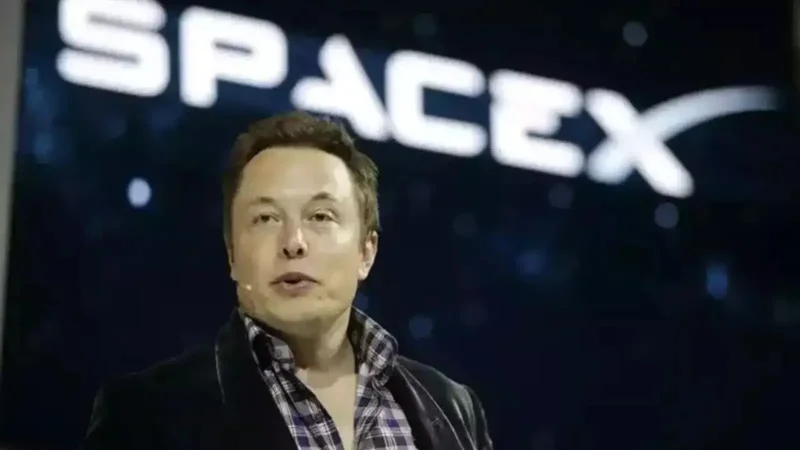
Elon Musk has officially consolidated his business empire by merging his artificial intelligence startup, xAI, into his aerospace giant, SpaceX. This strategic acquisition values xAI at approximately $125 billion, while SpaceX maintains a staggering $1 trillion valuation, reinforcing its position as the world’s highest-valued private firm. The merger is designed to create what Musk describes as an "innovation engine," integrating advanced AI capabilities with cutting-edge space technology, satellite communications, and media interests. This move represents a significant shift in Musk’s corporate strategy, aiming to unify his diverse ventures under a singular, powerful entity.
The synergy between the two companies is expected to address some of the most pressing challenges in the tech industry, particularly the massive energy and cooling requirements of modern AI models. Musk has articulated a vision where space-based infrastructure provides the necessary solutions for large-scale AI operations, including the deployment of specialized AI satellites and space-based data centers. By leveraging SpaceX's rocket capabilities and the Starlink network, the newly unified entity aims to scale AI operations globally and eventually support long-term ambitions for human development on the Moon and Mars.
Financially, the acquisition is widely viewed by analysts as a precursor to a potential initial public offering (IPO) for SpaceX. By bringing xAI and its Grok chatbot under the SpaceX umbrella, Musk is presenting a diversified and capital-efficient growth narrative to potential public investors. This consolidation follows a period of complex financial maneuvering, including a recent $2 billion investment in xAI by Tesla—a move that proceeded despite vocal objections from some Tesla shareholders regarding corporate governance. xAI, which was initially born out of the social media platform X (formerly Twitter) before becoming independent in 2025, has seen its valuation soar despite recent scrutiny regarding the image-generation capabilities of the Grok chatbot.
As the integration progresses, the industry will be watching closely to see how the merger impacts the competitive landscape of both the aerospace and artificial intelligence sectors. The combination of xAI’s software prowess and SpaceX’s hardware dominance creates a unique powerhouse that could accelerate breakthroughs in autonomous space travel and planetary colonization. While technical and regulatory hurdles remain, particularly concerning the safety and ethics of AI, Musk’s latest maneuver underscores his commitment to building a vertically integrated technological future that extends far beyond Earth’s atmosphere.
This story touches markets covered on Anansi Intelligence ↗.
More from business
Continue exploring similar stories


