••
South Korea Pledges $28m to Ghana's Digital STEM Education as Technical Training for Women and Youth Expands
•2 min read•4 sources
Ghana’s educational landscape is undergoing a significant transformation with a series of high-impact initiatives aimed at strengthening Science, Technology, Engineering, and Mathematics (STEM) and digital literacy. At the forefront of this shift is a major international partnership with the Republic of Korea, which has pledged US$28 million for the second phase of the Digital STEM (D-STEM) project. This investment coincides with various local efforts to integrate practical technical skills into the lives of young Ghanaians, ranging from plastic waste management and electric vehicle technology to artificial intelligence training.
The US$28 million commitment, formalized through a Memorandum of Understanding (MoU) between Ghana and South Korea, targets junior high school students across four regions and includes the ambitious construction of the Accra STEM Park. Education Minister Haruna Iddrisu emphasized that this funding will improve teaching capacity and broaden access to digital tools. To support this infrastructure, a revised curriculum focusing on digital skills is scheduled for launch before September 30, signaling a systemic shift toward a more technology-driven educational framework for the nation's youth.
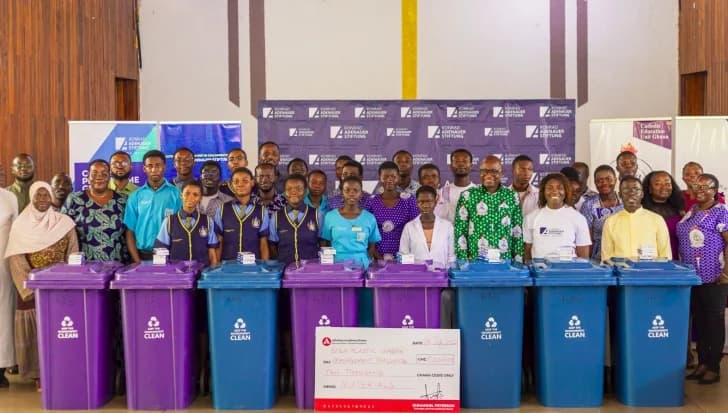
Beyond classroom theory, students are demonstrating the practical power of STEM in addressing environmental challenges. At the fourth National STEM Plastic Waste Management Competition in Kumasi, organized by the Konrad Adenauer-Stiftung and the Catholic Bishops' Conference, Our Lady of Grace Senior High School emerged as the winner for their innovative recycling solutions. Similarly, the energy sector is seeing a boost in technical expertise with the graduation of the first cohort of 24 women from the Green Energy Technology Capacity Development Programme (GET-CaDeP). This collaboration between the Africa Centre for Energy Policy (ACEP) and Solar Taxi equips women with specialized skills in electric vehicles (EV) and renewable energy, directly addressing gender gaps in the green economy.
The impact of these educational shifts is also visible in the emerging AI and data sectors through industry-led training. Programs like those facilitated by Datamaker are turning personal potential into professional success, with trainees transitioning into roles as training facilitators and tech specialists. These success stories mirror the commitment expressed by Solar Taxi’s Jorge Appiah to connect graduates with career opportunities. By focusing on both high-level infrastructure and individual career development, Ghana is positioning its workforce to lead in the global digital and green revolutions, ensuring that the next generation is prepared for the demands of the modern economy.
This story touches markets covered on Anansi Intelligence ↗.
More from education
Continue exploring similar stories


