••
Security Crisis Deepens Across Africa as Corruption Probe Deaths Shake South Africa and Abductions Hit Nigeria
•3 min read•2 sources
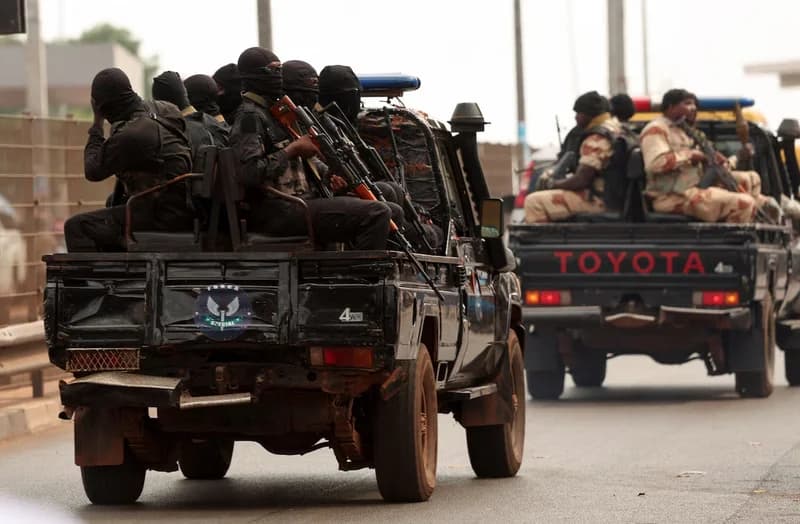
The African continent is grappling with a series of alarming security and judicial crises, highlighted by the mysterious death of a key figure in a South African police corruption probe and a violent abduction in northern Nigeria. In South Africa, 41-year-old Wiandre Pretorius was found dead from a self-inflicted gunshot wound at a petrol station in Brakpan, marking him as the fourth individual linked to a high-profile corruption case to die recently. Meanwhile, in Nigeria's Kaduna state, gunmen launched a deadly raid on a Catholic priest's residence, killing three people and kidnapping Father Nathaniel Asuwaye along with ten others. These incidents underscore the pervasive challenges of organized crime, insurgency, and the fragility of law enforcement across different regions of the continent.
The death of Wiandre Pretorius has cast a shadow over the ongoing Madlanga Commission, which is currently investigating police involvement in the 2022 murder of Emmanuel Mbense. Pretorius, who had previously reported an assassination attempt against him, was one of twelve individuals connected to the probe. South African Police Service spokesperson Brigadier Athlenda Mathe confirmed that authorities are now reviewing CCTV footage to determine the exact circumstances surrounding his death and potential links to organized crime. With four connected figures now deceased, the police watchdog is under intense pressure to finalize inquiries, even as officials suggest that arrests related to the broader corruption scandal remain imminent.
In West Africa, the security situation remains dire as gunmen continue to target religious leaders and communities in northern Nigeria. The attack in the Kauru district of Kaduna state saw the abduction of Father Asuwaye and ten others just days after security forces successfully rescued 166 worshippers from previous church-related kidnappings. The persistent violence has triggered a wave of international condemnation. Amnesty International has described the security crisis in Nigeria as "increasingly getting out of hand," while Pope Leo, speaking from St. Peter’s Square, expressed solidarity with the victims and urged the Nigerian government to take more decisive action to protect its citizens.
These developments in two of Africa's leading economies illustrate the complex nature of the continent's safety concerns, ranging from systemic corruption within the ranks of the police to the unchecked violence of armed groups. While South Africa's authorities focus on dismantling internal networks of criminal collusion, the Nigerian government faces mounting pressure from global figures and human rights organizations to restore basic security in its northern regions. In both cases, the pursuit of justice and the protection of civilians remain at the forefront of the public discourse, as communities wait for tangible results from their respective governments’ promises of reform and protection.
This story touches markets covered on Anansi Intelligence ↗.
More from africa
Continue exploring similar stories


