••
Ghanaian Higher Education Gains Global Recognition as UCC Launches Africa Ocean Institute
•2 min read•3 sources
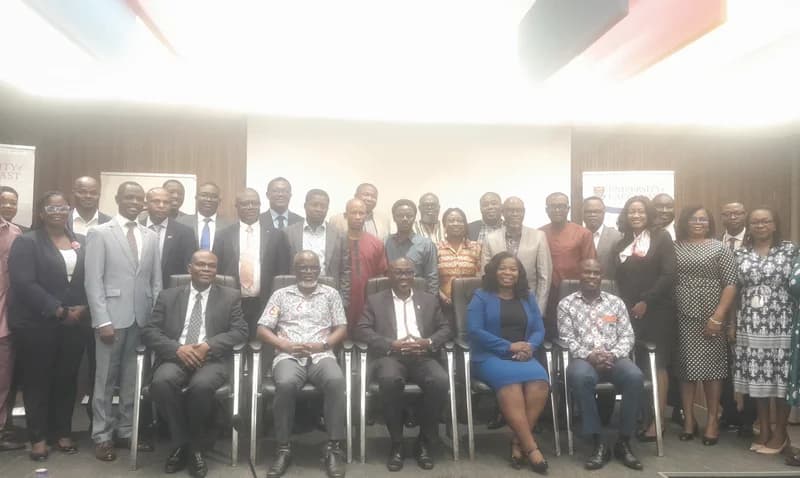
The University of Cape Coast (UCC) and the University of Ghana (UG) have solidified their positions as leading academic institutions in West Africa, following their impressive performances in the 2026 global university rankings. This academic success is further bolstered by UCC's strategic expansion into marine science through the official launch of the Africa Ocean Institute (AOI). The dual achievements highlight Ghana's growing influence in higher education and its commitment to addressing critical continental challenges through research and innovation.
Launched by Acting Vice-Chancellor Professor Denis Worlanyo Aheto, the Africa Ocean Institute is designed to be a hub for multidisciplinary expertise, focusing on the environmental, socio-economic, and governance issues facing Africa's coastal regions. The AOI aims to provide vital policy support, professional training programs, and community outreach. By centering its research on food security, climate resilience, and biodiversity conservation, the institute seeks to strengthen Ghana’s leadership in ocean governance and advance sustainable fisheries across the African continent.
Parallel to these research developments, the 2026 global rankings reflect the rising standards of Ghanaian pedagogy. The University of Cape Coast secured a placement within the 801–1000 band of the Times Higher Education World University Rankings. Meanwhile, the University of Ghana earned distinction in the QS World University Rankings, where it was specifically recognized for its high employability outcomes and the strength of its international research networks. These rankings place Ghana's top universities alongside other notable regional institutions such as the University of Ibadan and the University of Lagos.
These combined milestones signal a transformative period for West African higher education. The establishment of the Africa Ocean Institute at UCC provides a practical platform for the university to apply its high-ranking academic standards to real-world ecological and economic problems. As these institutions continue to excel on the global stage, they are expected to attract more international partnerships and research funding, ultimately driving the blue economy and educational excellence across the West African sub-region and beyond.
This story touches markets covered on Anansi Intelligence ↗.
More from africa
Continue exploring similar stories


