••
Somanya Residents Petition PURC Over Prolonged Water Crisis as Hohoe Barber Fined for Illegal Dumping
•2 min read•2 sources
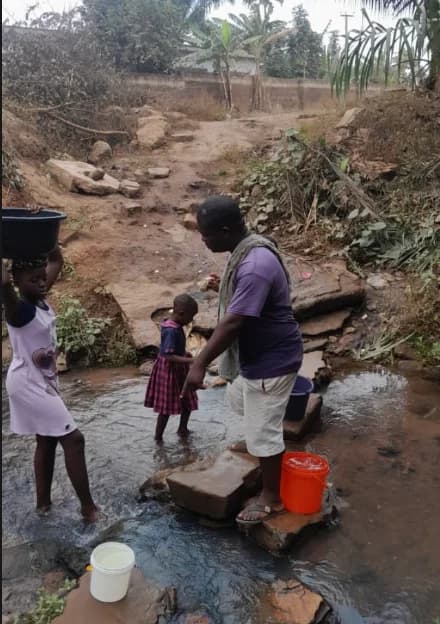
Recent developments in the Eastern and Volta Regions have highlighted growing concerns over infrastructure management and environmental hygiene. In Somanya, hundreds of households are grappling with a severe water shortage after a contractor damaged a vital pipeline, leading to a formal petition to the Public Utilities Regulatory Commission (PURC). Meanwhile, in Hohoe, the judicial system has taken a firm stance against environmental degradation by fining a local barber for dumping waste into public drainage systems, a move prompted by viral social media evidence.
The situation in Somanya, particularly affecting Agavenya and the Mount Mary College of Education community, has reached a critical point. Following the destruction of a major water pipeline on the Adjikpo-Asitey section of the Somanya-Kpong road, residents have been without potable water for weeks. The delay in restoration is reportedly due to the contractor's failure to provide the necessary funds for repairs. Consequently, families are forced to choose between purchasing expensive borehole water—costing between GH₵600 and GH₵300—or relying on the untreated and polluted Onuma Stream, posing significant health risks to the community and impacting local businesses.
In a separate incident addressing urban sanitation, the Hohoe Magistrate Court sentenced Ekpane Seyram, a barber, to a fine of GHS 600 or a two-month prison term for illegally dumping refuse into a public drain. The conviction followed an investigation by the Environmental Health Unit after video footage of the act was shared on Facebook. Prosecutor Daniel Dotse Eklo emphasized that such actions contribute to blocked drains, increasing the risk of flash floods and the spread of disease outbreaks. The use of social media as a tool for environmental policing in this case underscores a growing shift toward community-led accountability in local governance.
These two cases underscore the diverse challenges facing Ghanaian communities in maintaining public services and environmental standards. While Somanya residents seek institutional intervention from the PURC to hold contractors accountable for infrastructure damage, the Hohoe case demonstrates the power of civic vigilance and legal enforcement in curbing detrimental sanitation practices. As repairs in Somanya remain stalled, the outcomes of these events will likely serve as a benchmark for how local authorities and regulatory bodies address public grievances and enforce environmental laws across the country.

