••
Shatta Wale Initiates Defamation Lawsuit as Princess Diana’s Iconic ‘Revenge Dress’ Heads to Auction
•3 min read•2 sources
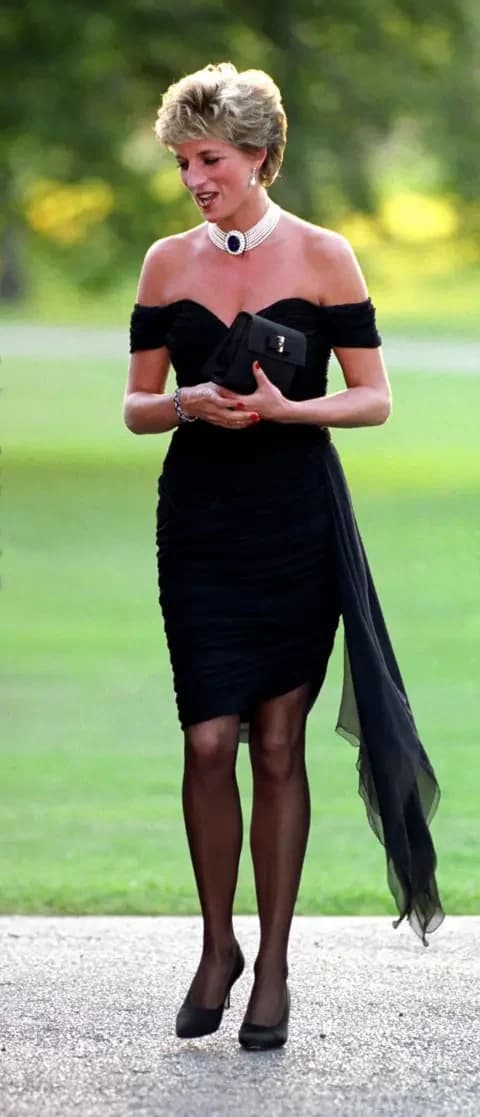
The entertainment world is currently witnessing two distinct yet powerful displays of public image management, spanning decades and mediums. While Ghanaian dancehall icon Shatta Wale has turned to the legal system to defend his reputation against modern social media claims, the international fashion community is preparing for a historic auction of Princess Diana’s most famous sartorial statement. Both instances highlight how high-profile figures navigate the pressures of public perception, utilizing either the weight of the law or the symbolic power of fashion to reclaim their personal narratives during periods of intense scrutiny.
In the contemporary landscape of digital media, Shatta Wale has officially initiated legal proceedings against social media personality Priscilla Kyeremaa, popularly known as Prisywan. The lawsuit, filed by the musician’s legal representatives at Porta Legis Consultancy on September 10, 2026, stems from a TikTok video published on August 29, 2026. According to the legal team, the video contained false and damaging statements that have significantly tarnished the reputation of the award-winning artiste. This move underscores a growing trend among Ghanaian celebrities to hold digital influencers accountable for the content they disseminate to large, impressionable audiences.
Parallel to this modern legal battle is the return of a legendary piece of fashion history to the auction block. Princess Diana’s "revenge dress," the iconic black silk evening gown designed by Christina Stambolian, is scheduled for auction by Sotheby’s on December 9, 2023. The dress earned its moniker after Diana wore it to a 1994 Vanity Fair party—the same evening Prince Charles publicly admitted to his infidelity in a televised interview. Experts at the auction house estimate the garment could fetch as much as $300,000 (£220,000). This event marks the first time the dress has been available for purchase since 1997, when the late Princess of Wales sold several of her gowns to raise funds for charitable causes.
These developments illustrate the enduring importance of narrative control in the public eye. For Diana, the Stambolian dress was a tool of silent but potent communication, signaling her independence and strength following the collapse of her royal marriage. For Shatta Wale, the legal system serves a similar purpose in the digital age, acting as a shield against the viral nature of potentially defamatory content. Whether through the silent elegance of a silk gown or the formal filing of a lawsuit, the drive to protect and project a specific image remains a cornerstone of celebrity culture, reminding audiences that the stories told about these figures are often as carefully managed as the careers they represent.
Related topic
Shatta Wale: Latest News & Updates →
