••
Shama Drivers Block Nyankrom Road in Self-Help Effort to Address Deteriorating Infrastructure
•3 min read•6 sources
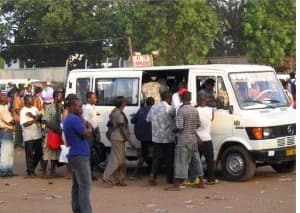
On June 24, commercial transport operators, including taxi drivers and motorbike riders, paralyzed traffic on the Shama Junction–Nyankrom road in the Western Region. The action was prompted by the severe deterioration of the stretch, characterized by deep potholes and recurring flooding that has made navigation nearly impossible. While the blockade caused significant delays, particularly for haulage trucks serving local manufacturing plants, the organizers maintained that their primary objective was to undertake urgent remedial work that the government has long neglected.
The operators engaged in a communal labor effort, focusing on clearing choked gutters along the route. According to the drivers, the lack of proper drainage is the root cause of the road's rapid decay, as stagnant water undermines the pavement every time it rains. By attempting to restore water flow, the drivers hoped to prevent further erosion of the remaining road surface. However, the scale of the task and the presence of motorbikes used to block the path led to a total closure of the road, leaving many commuters and logistics providers stranded for hours.
Representatives of the drivers emphasized that their actions should be viewed as a "self-help" initiative rather than a conventional demonstration. They argued that the poor state of the road directly impacts their daily bread, increasing vehicle maintenance costs and reducing the number of trips they can safely complete. One driver highlighted that the choked drainage worsens the road's condition during rain, emphasizing that their action was intended to solve the problem directly to improve conditions for all vehicles.
This localized unrest in the Western Region mirrors a broader transportation crisis currently unfolding in other parts of the country, most notably in the capital. In Accra, thousands of commuters have reported severe travel disruptions due to a combination of commercial vehicle shortages and deteriorating road networks exacerbated by recent heavy rains. The synergy of these issues has created a bottleneck for the national economy, as both human capital and goods face increasing difficulty moving through major transit corridors.
The situation on the Shama–Nyankrom road serves as a stark reminder of the urgent need for comprehensive infrastructure rehabilitation. The drivers have issued a formal appeal to the government for immediate intervention, warning that temporary self-help measures are insufficient for a permanent solution. As road conditions continue to worsen nationwide, the pressure on the government to deliver on infrastructure promises intensifies, with citizens increasingly opting for direct action to safeguard their livelihoods.

