••
Senegal Endorses Macky Sall for UN Leadership as Global Governments Navigate Security and Human Rights Challenges
•3 min read•28 sources
Senegal's political landscape has seen a significant shift as President Bassirou Diomaye Faye officially endorsed his predecessor, Macky Sall, for the position of United Nations Secretary-General. This move, following a high-profile meeting in Dakar, marks a departure from previous government hesitation rooted in Sall's controversial record on political repression. President Faye has instructed the Senegalese foreign ministry to mobilize diplomatic support across the African Union, framing Sall’s candidacy as a strategic effort to enhance African representation and multilateralism. While the decision has drawn mixed reactions domestically, it reflects a broader regional trend of forming new political coalitions and revitalizing diplomatic ties.
In Europe, governments are taking assertive steps toward social and economic reform. France is advancing a bill to ban social media access for children under 15, with President Emmanuel Macron aiming for implementation by the start of the September school year. The initiative, which requires age verification systems, follows similar legislative trends in Australia. Meanwhile, in the United Kingdom, Andy Burnham’s administration has held its first cabinet meeting to address the cost-of-living crisis. With John Healey as Chancellor and Ed Miliband as Foreign Secretary, the government is preparing a comprehensive ten-year plan for national stability, focusing on immediate household support and fiscal consistency despite scrutiny from opposition leaders over the lack of specific details.
International security dynamics and diplomatic realignments are also at the forefront of global affairs. In Lebanon, the national army has commenced deployment to a "pilot zone" in the southern region following a U.S.-brokered withdrawal of Israeli forces and efforts to disarm Hezbollah. This deployment occurs amidst heightened tensions following the deaths of U.S. service members in Jordan. In other developments, Hamas has named Khalil al-Hayya as its new leader following the death of Yahya al-Sinwar, and Spanish Prime Minister Pedro Sanchez has visited Algiers to strengthen energy ties with Algeria. Concurrently, diplomatic efforts are underway to prevent a split between the U.S. and the U.N. refugee agency (UNHCR) over funding and administrative disagreements.
Accountability and justice remain central themes, particularly for West African stakeholders. Two Ghanaian nationals have formally petitioned the International Criminal Court (ICC) to investigate xenophobic violence in South Africa, urging the court to hold President Cyril Ramaphosa and other officials responsible for failing to prevent attacks on African migrants. In Guinea-Bissau, ECOWAS has urged the military-led government to release detained political figures to preserve the credibility of the country's transition. Legal and social accountability efforts are also visible in the United States, where Meta faces trial over the addictive nature of Instagram, and the Department of Justice is scrutinizing diversity-based admissions at UC San Diego School of Medicine.
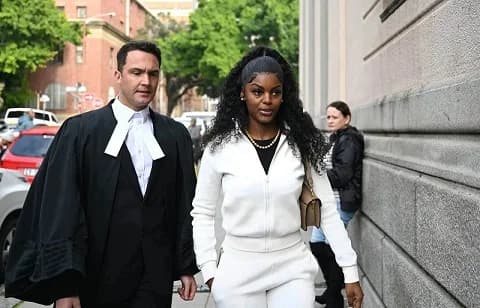
Rounding out recent political developments, São Tomé and Príncipe President Carlos Vila Nova has secured a second term, upholding the nation's tradition of peaceful elections. In Nigeria, institutional integrity was tested as police officers were arrested for allegedly attempting to extort the head of the national anti-corruption commission. These events, ranging from Nollywood icon Richard Mofe-Damijo’s advocacy against gender-based violence to the legal battles of public figures like Chidimma Adetshina and R. Kelly, illustrate a global landscape increasingly focused on institutional accountability, human rights, and the protection of vulnerable populations.
This story touches markets covered on Anansi Intelligence ↗.
More from politics
Continue exploring similar stories


