••
Sea Watch Recovers Bodies of Child and Adult After Migrant Boat Sinks Between Libya and Tunisia
•2 min read•4 sources
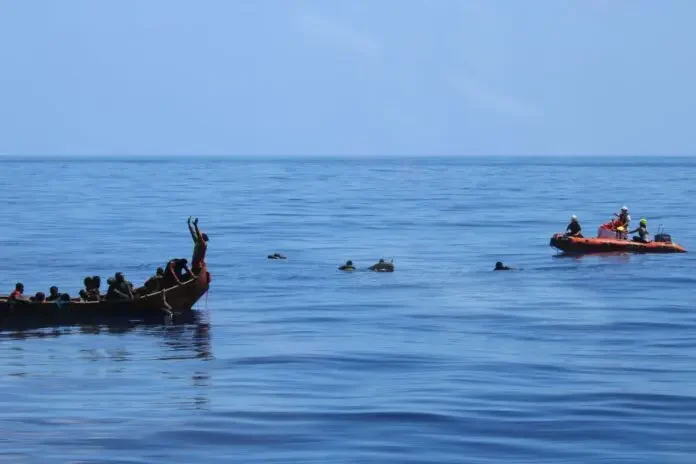
A tragic maritime incident in the central Mediterranean has claimed the lives of at least two people, including a child, after a rubber dinghy sank in the waters between Libya and Tunisia. The disaster occurred in a Search and Rescue (SAR) zone frequently used by migrants attempting the perilous crossing to Europe. The rescue organization Sea Watch confirmed the deaths after its vessel, the Aurora, responded to an emergency distress call originally flagged by the monitoring group Alarm Phone. Upon arrival, rescuers found the dinghy in a nearly deflated state, highlighting the extreme risks faced by those attempting the journey in unseaworthy craft.
According to reports from the scene, the situation was characterized by chaos and desperation. While some individuals were seen on the sinking vessel, a larger group of approximately 25 survivors managed to reach and cling to the Hasdrubal oil platform for safety. The Sea Watch crew and the Aurora vessel focused their efforts on these survivors and the recovery of those lost to the sea. The survivors reported that several people remained missing, feared to have been swept away by the waves before help could arrive.
The human cost of the shipwreck was most poignantly felt through the accounts of two women among the survivors, who were seen lamenting the loss of their children in the water. One of the two confirmed fatalities was a child, potentially one of those the women were desperately seeking. This incident underscores the profound emotional and physical trauma experienced by migrants on this route, where families are often separated by the treacherous conditions of the Mediterranean Sea.
This latest tragedy adds to the rising death toll on the central Mediterranean route, which continues to be one of the most dangerous migration paths in the world. As NGO vessels like the Aurora continue to provide a critical lifeline in the SAR zones between North Africa and Europe, the incident serves as a grim reminder of the ongoing humanitarian crisis. International authorities and rescue organizations remain on high alert as they navigate the complexities of maritime safety and migration management in these contested waters.
