••
Minister Samuel Nartey George Addresses Fibre Cuts and Grid Instability Threatening Ghana's Digital Infrastructure
•2 min read•1 source
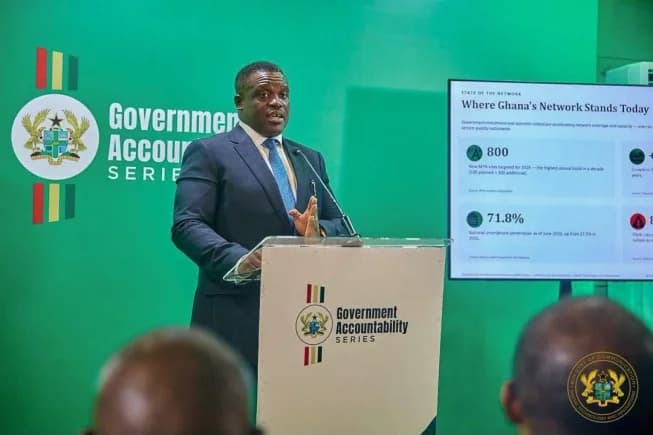
Ghana's Minister of Communication, Digital Technology and Innovations, Samuel Nartey George, has identified frequent fibre optic cable cuts and national power grid instability as the primary factors undermining telecommunications quality across the country. These infrastructure challenges have become a significant bottleneck for the nation's digital transformation, leading to prolonged network outages that disrupt service for millions of citizens and businesses. The Minister emphasized that the lack of coordination between utility providers and construction firms remains a critical hurdle that must be overcome to ensure a stable digital environment.
Statistical data highlights the alarming scale of the issue, with 4,289 fibre cuts reported in the first half of 2023 alone. Projections indicate that without significant intervention, the number of annual cuts could rise to 8,578 by 2026. According to the Minister, road construction-related excavation is the leading cause of these disruptions. To combat this, the government is pursuing the approval of a ‐Dig Once Policy,‐ which would mandate the integration of fibre conduits into all new road projects, effectively preventing the need for subsequent excavations that often damage underground cables.
In addition to policy reforms, the government is exploring the implementation of strict penalties for individuals or entities that damage telecommunications infrastructure. There is also an ongoing collaborative effort with the Ministry of Energy and GRIDCo to address power resilience, as grid instability frequently forces cell sites offline. Amidst these challenges, private telecommunications providers such as MTN Ghana and Telecel are continuing to invest in network modernization, with a specific focus on expanding rural connectivity to ensure that digital access reaches the most remote parts of the country.
The successful adoption of the ‐Dig Once Policy‐ and improved synchronization between infrastructure agencies are viewed as vital steps toward securing Ghana's technological future. As the current administration under President John Mahama continues to prioritize digital growth, resolving these systemic physical and electrical vulnerabilities remains a top priority. Experts suggest that a more robust infrastructure framework will not only improve the daily user experience but also provide the necessary stability to support the country's burgeoning digital economy and innovation hubs.
Related topic
John Mahama: Latest News & Updates →

