••
Minister Samuel Nartey George Mandates Nationwide 4G Upgrade for Rural Telephony Sites
•2 min read•8 sources
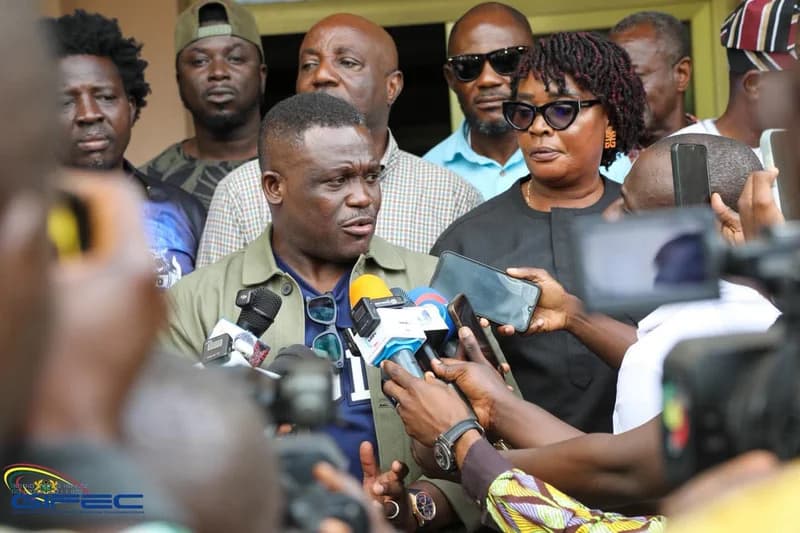
Samuel Nartey George, the Minister for Communication, Digital Technology and Innovations, has directed that all Rural Telephony Project (RTP) sites across Ghana be upgraded to at least 4G capability. During a recent monitoring exercise in the Eastern Region, the Minister emphasized that the current reliance on 2G and 3G technologies is no longer sufficient to meet the digital needs of rural communities as global telecommunications standards evolve. This initiative is designed to ensure that geographical location does not limit access to high-speed internet, aiming to provide underserved populations with the same digital opportunities found in urban centers.
To support this transition, the government has allocated approximately GH₵30 million toward rural telephony projects this year to bolster network quality and reach. Minister George noted that much of the existing infrastructure at donor and mast sites is already equipped with hardware capable of supporting 4G but requires specific technical updates to be fully operational. In a complementary effort to reduce network congestion, telecommunications giants MTN and Telecel are set to deploy approximately 1,100 new sites this year, furthering the goal of modernizing the nation's digital backbone.
During his inspection, which included officials from the Ghana Investment Fund for Electronic Communications (GIFEC) and the National Communications Authority (NCA), the Minister acknowledged that some projects have faced delays due to technical oversights and improper site assessments. He specifically addressed connectivity challenges in communities like Nkumkrom, assuring residents that offline sites would be restored. A central pillar of this strategy is affordability; the Minister projected that by the first quarter of 2027, communication services in rural areas will be cheaper than those in urban centers, aided by plans to eliminate extra charges currently associated with certain RTP networks.
By comparing telecommunications infrastructure to essential public services like roads and hospitals, Minister George called for a deliberate and sustained national commitment to digital investment. This push for a 4G minimum standard, alongside the ongoing 5G spectrum auction, signifies a major shift toward comprehensive digital inclusion. These developments are expected to bridge the digital divide, foster localized economic growth, and provide all Ghanaians with the necessary tools to participate in the modern global economy.


