••
Sammi Awuku and GUTA Lead Backlash Against New Utility Tariff Hikes as Parliament Expands Ghana’s Global Aviation Network
•3 min read•19 sources
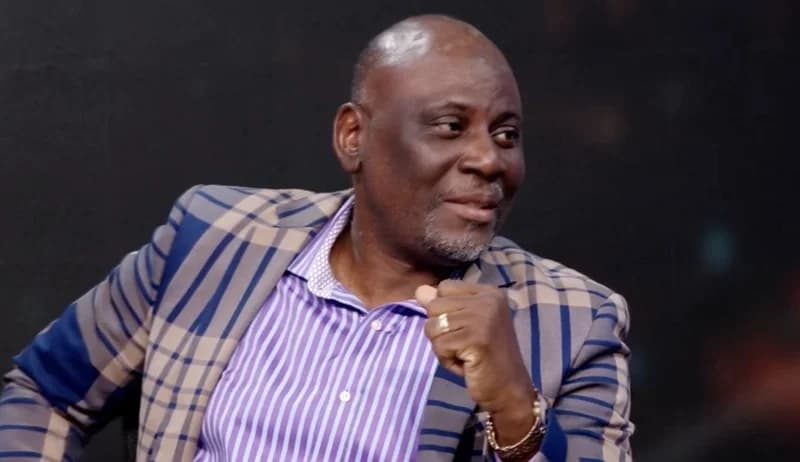
Ghana’s political and economic landscape is currently defined by a sharp divide between government policy and public sentiment following the implementation of new utility tariff increases on July 1, 2026. The Public Utilities Regulatory Commission (PURC) has authorized a 3.49% rise in electricity rates and a 0.85% increase for water, marking the fifth such adjustment within an 18-month period. This move has triggered significant criticism from both lawmakers and business leaders, who argue that the timing is inappropriate given the ongoing financial strain on households and small businesses still recovering from recent flooding and power outages.
Member of Parliament for Akuapim North, Sammi Awuku, has been a leading voice against the hikes, questioning the government’s narrative of a stabilizing economy. Awuku pointed out the irony of implementing these increases on Republic Day, emphasizing that the rising costs directly contradict claims of easing inflation and a strengthening cedi. Similarly, Joseph Paddy, Vice President of the Ghana Union of Traders Association (GUTA), condemned the lack of stakeholder consultation, asserting that good governance requires engagement before such critical decisions are made. GUTA maintains that current economic indicators, such as stable exchange rates, should have led to relief for the business community rather than additional financial burdens.
While domestic economic debates intensify, Parliament has taken significant steps to enhance Ghana’s international standing by ratifying bilateral air service agreements with six nations: Benin, Saudi Arabia, Mauritius, Guyana, Luxembourg, and Qatar. Presented by Transport Minister Joseph Bukari Nikpe, these agreements establish a legal framework for direct flights and commercial airline operations intended to boost trade, tourism, and investment. Legislative members, including Kwabena Okyere Darko-Mensah, have highlighted that these agreements—some of which have been pending since 1988—will finally allow Ghana to maximize its airspace and improve international connectivity.
In a parallel effort to stabilize the energy sector, the Minister Responsible for Energy and Green Transition, Dr. John Abdulai Jinapor, announced a comprehensive audit of state energy agencies in collaboration with the Ministry of Finance. This audit is designed to identify and remove government-related debt that currently hinders these agencies' ability to secure commercial financing. This structural reform coincides with a broader call for economic sovereignty from Johnson Asiedu Nketia, National Chairman of the NDC. Speaking in St. Petersburg, Nketia argued that political independence remains incomplete without economic independence, urging African nations to position themselves as equal partners in the global economy rather than mere exporters of raw materials.
These developments collectively illustrate a nation at a crossroads, balancing immediate domestic economic pressures against long-term strategic growth. As the government moves forward with international trade expansions and energy sector audits, the pressure from opposition leaders and trade unions like GUTA suggests that maintaining public trust will require greater transparency and more direct relief for the citizenry. The outcome of these policy decisions will likely shape the discourse on Ghana’s economic governance and its role in the global market in the years to come.
This story touches markets covered on Anansi Intelligence ↗.
Related topic
NDC (National Democratic Congress): Latest News →Live rates
Dollar to cedi rate →More from politics
Continue exploring similar stories


