••
US Aid Worker Tests Positive for Ebola in DR Congo as WHO Warns of Massive Underreporting
•2 min read•9 sources
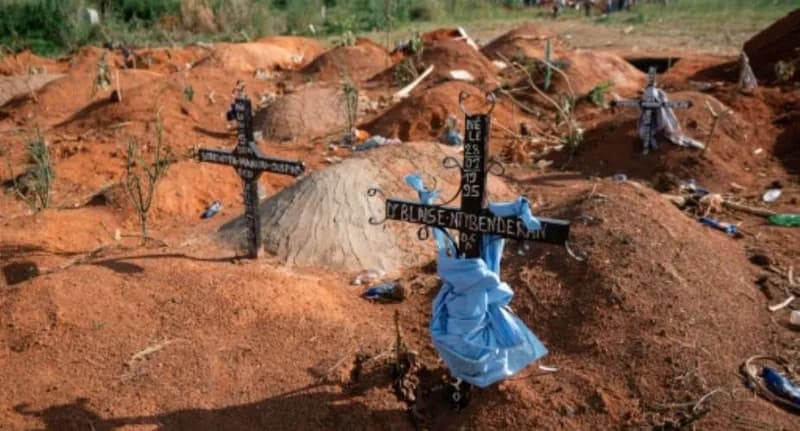
A United States citizen working for the humanitarian organization Samaritan’s Purse has tested positive for the Ebola virus in the Democratic Republic of Congo (DRC), marking the second American to contract the virus during the current outbreak. This development comes as the World Health Organization (WHO) issues a stark warning that the true scale of the epidemic could be up to four times larger than official figures suggest. The infected individual, who provided logistical support in the town of Bunia within the Ituri province, has been in isolation and is receiving treatment at a specialized center. Plans are reportedly underway to evacuate the patient to a medical facility in Frankfurt, Germany, for further care.
Health officials have identified the pathogen as the rare Bundibugyo strain of Ebola, which currently lacks an approved vaccine or specific treatment protocol. As of early July, official records for this specific strain indicated approximately 1,792 confirmed cases and 625 deaths. However, WHO’s recent modelling suggests that while official tolls across the broader crisis cite roughly 2,000 infections and 700 deaths, the actual count could range significantly higher due to surveillance gaps. The lack of medical countermeasures for the Bundibugyo strain makes containment and early detection even more critical to preventing a wider regional crisis.
The response to the outbreak is further jeopardized by internal labor disputes and regional instability. Local health workers on the front lines in Ituri province have threatened to strike over months of unpaid wages, a move that could devastate containment efforts at a time when the healthcare system is already under immense pressure. Many medical personnel have become infected themselves, further depleting the workforce. Global health agencies emphasize that regional conflict and a lack of sufficient funding are primary obstacles to accurately tracking and treating the virus, leading to the suspected underreporting of cases.
Despite the severity of the situation in Central Africa, the U.S. Centers for Disease Control and Prevention (CDC) maintains that the risk to the American public remains very low, with no cases confirmed within the United States. To stabilize the crisis, international health agencies are calling for intensified community engagement and robust surveillance to bridge the gap between official statistics and the reality on the ground. Overcoming logistical hurdles and ensuring health workers are compensated remains paramount to preventing the further spread of the Bundibugyo strain in the DRC and beyond.
This story touches markets covered on Anansi Intelligence ↗.
More from health
Continue exploring similar stories


