••
Minister Sam George Reports Massive Telecom Blackout in Northern Ghana Following Triple Fibre Cuts
•2 min read•4 sources
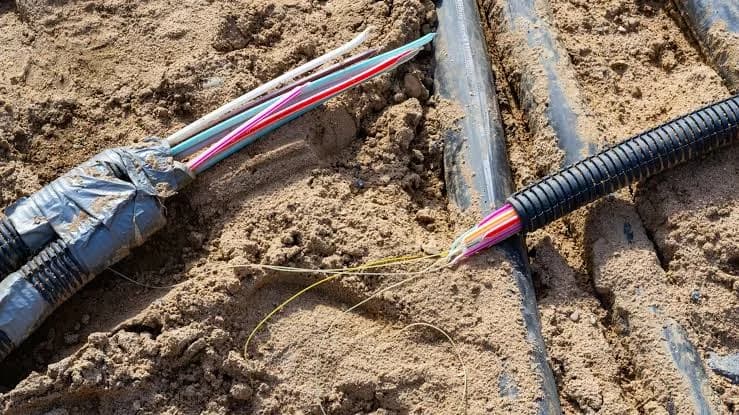
The Minister for Communications, Digital Technology and Innovation, Samuel Nartey George, has announced a significant disruption of telecommunications services across the five northern regions of Ghana and parts of the Oti Region. The outage, caused by a rare triple fibre cut, has severed both voice and data connections for millions of residents, affecting critical communication infrastructure. The National Communications Authority (NCA) confirmed the scale of the disruption on September 26, noting that the damage spans three separate and vital transmission routes.
According to reports from the Ministry, the technical failures occurred on the Kintampo-Buipe, Wakawaka-Bamboi, and Hohoe-Jasikan routes. These cuts have had a devastating impact on the regional network grid, knocking out services at 694 sites operating on 2G and 3G technology, as well as 521 4G sites. This multi-layered failure means that both basic telephony and high-speed internet services are largely unavailable in the affected areas, significantly hindering business operations, emergency services, and personal communication for the inhabitants.
In response to the crisis, technical teams from the leading mobile network operators, MTN Ghana and Telecel Ghana, alongside the National Information Technology Agency (NITA), have been deployed to the sites to identify the exact points of failure and begin emergency repairs. The NCA is actively monitoring these restoration efforts to ensure that the digital backbone of the nation is restored as quickly as possible. Minister Sam George has assured the public that restoration work is a top priority, with teams working around the clock to bridge the communication gap.
Both the Ministry and the NCA have issued formal apologies to consumers and residents for the severe inconvenience caused by the service blackout. While the immediate cause of the fibre cuts remains under investigation, the incident highlights the inherent vulnerability of the nation's digital corridors. The government has reiterated its commitment to strengthening the resilience of telecommunications infrastructure to prevent such widespread outages from recurring in the future.


