••
Ghanaian Lawmakers and Regional Delegates Converge in Accra Over Controversial Anti-LGBTQ+ Bill and African Family Values Charter
•3 min read•27 sources
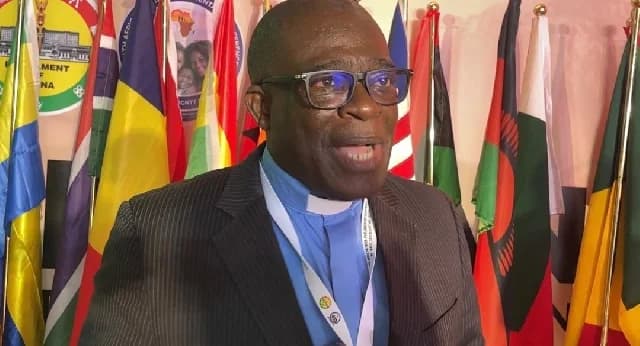
The 4th Inter-Parliamentary Conference on Family, Sovereignty, and Values held in Accra has become a focal point for intense debate regarding Ghana’s Human Sexual Rights and Family Values Bill. Leading the charge, Samuel Nartey George and Alhassan Sulemana Tampuli reiterated their unwavering commitment to the legislation, which aims to criminalize LGBTQ+ activities and advocacy. Mr. Tampuli, the MP for Gushegu, declared that same-sex marriage would never be permitted in Ghana, emphasizing a national dedication to cultural and religious values. Simultaneously, Moses Foh-Amoaning, Executive Secretary of the National Coalition for Human Sexual Rights and Family Values, urged African legislators to resist international pressures, claiming that LGBTQ+ rights are not formally recognized under international law and calling for a global conservative coalition to counter UN-level advocacy.
Despite the resolute stance of the bill’s sponsors, internal political and procedural tensions have emerged within Ghana’s leadership. Dr. Matthew Opoku-Prempeh, the NPP’s 2024 Vice-Presidential Candidate, has urged Parliament to re-evaluate the bill following concerns raised by Speaker Alban Bagbin regarding procedural integrity. While Sam George maintains that Parliament’s role is complete and the bill must be transmitted for presidential assent, Speaker Bagbin has signaled a need for broader consensus to protect the legislature's integrity. Amidst this friction, the Christian Council of Ghana has announced plans to conduct a formal legal review of the amended bill to understand new exemptions before finalizing its position, while Rev. Dr. Kwabena Opuni Frimpong has called for a non-partisan approach to the debate.
On the regional front, the conference highlighted significant ideological divides across the continent. South Africa formally abstained from adopting the draft African Charter on Family, Sovereignty, and Values, citing direct conflicts with its Constitution, which has recognized same-sex marriage since 2006. The South African delegation, led by Zandile Majozi, argued that the charter's exclusive definition of marriage as a union between a man and a woman violates their national legal principles. Mozambique also abstained, though they cited logistical issues rather than constitutional ones. These abstentions underscore the challenges of creating a unified African legal framework on social issues amidst diverse national identities.
The political landscape remains further complicated by accusations of hypocrisy and calls for human rights protections. The Minority Caucus in Parliament recently criticized the National Democratic Congress (NDC) for allegedly exploiting public sentiment, claiming the party shifted from demanding immediate assent in 2024 to proposing significant amendments in 2026. Outside the political sphere, human rights lawyer Martin Kpebu noted the silence of LGBTQ+ professionals due to stigma, while Ghanaian-American artist Amaarae publicly criticized the bill for threatening basic human rights and potentially fueling hostility. As President John Dramani Mahama weighs his constitutional options—ranging from granting assent to referring the bill for further review—the outcome will likely define Ghana’s domestic social policy and its diplomatic standing for years to come.
This story touches markets covered on Anansi Intelligence ↗.
Related topic
NDC (National Democratic Congress): Latest News →More from politics
Continue exploring similar stories


