••
Salaga Hospital Investigated Over Missing Newborn as Ghana Marks World Blood Donor Day and Addresses Toddler Screen Time Risks
•2 min read•3 sources
Ghana’s healthcare landscape is currently facing a mix of localized crises and national health initiatives, highlighted by a distressing investigation into a missing newborn at Salaga Municipal Hospital and preparations for World Blood Donor Day. These developments occur alongside growing public discourse on pediatric welfare, particularly regarding the developmental risks associated with excessive screen time for toddlers. Together, these stories underscore the critical need for improved hospital security, robust medical resources, and proactive parenting in safeguarding the nation’s youngest citizens.
In the Savannah Region, a disturbing case has emerged from the Salaga Municipal Hospital where a newborn baby was reported missing shortly after delivery. According to Thomas Gyando, the Assemblymember for the Kito Electoral Area, the mother had traveled 13 miles on a motorbike while in labor to reach the facility. Following a complicated delivery that required the infant to be placed on oxygen, the family was initially told both mother and child were stable. However, concerns escalated when the family was repeatedly denied access to the infant, eventually leading to the revelation that the baby had disappeared. Investigations are currently ongoing to determine the whereabouts of the child and hold any negligent parties accountable.
Complementing these concerns about physical safety are warnings regarding the cognitive health of children. Prominent broadcast journalist Nana Aba Anamoah has issued a public advisory to parents about the surge in screen time among toddlers. Anamoah cautioned against using digital devices as "babysitters," emphasizing that screens should not replace traditional modes of engagement such as books, conversation, and outdoor play. Citing advice from child development experts, she highlighted that excessive screen exposure for children under five can negatively impact development, urging parents to maintain strict supervision and encourage diverse forms of engagement to protect their children's long-term health.
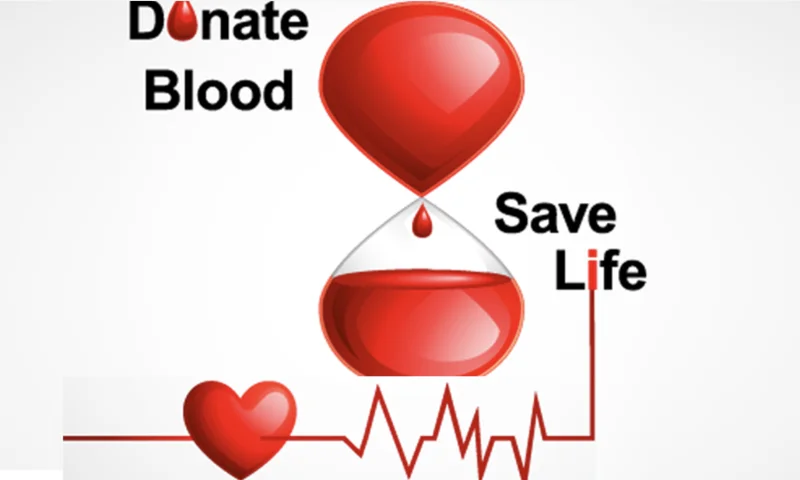
These individual challenges coincide with a national push to strengthen Ghana’s medical infrastructure. On June 12, 2026, Ghana will observe World Blood Donor Day under the theme “One Drop of Humanity. Give Blood, Save Lives.” Dr. Shirley Owusu-Ofori of the National Blood Service Ghana noted that voluntary donations are essential for maternal health and emergency care. As the country prepares to honor voluntary donors, health officials are calling for increased investment in the national blood system to ensure that hospitals are better equipped to handle emergencies and save lives across the country.
This story touches markets covered on Anansi Intelligence ↗.
More from health
Continue exploring similar stories


