••
Arm Holdings CEO Rene Haas Highlights AI’s Potential for Cancer Cure Amid Critical Chip Shortage
•2 min read•1 source
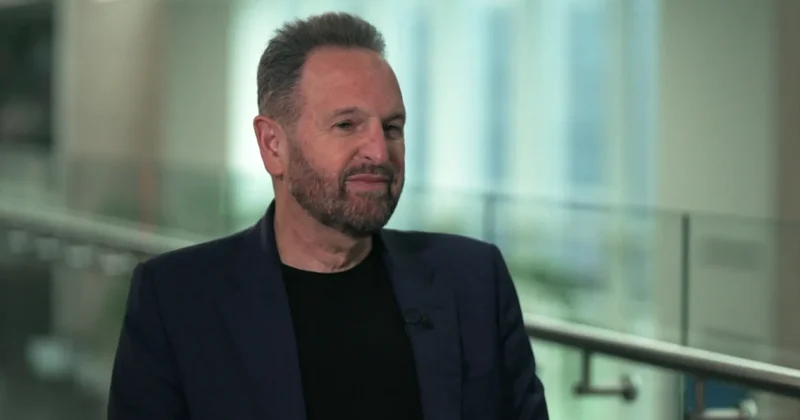
Rene Haas, the Chief Executive Officer of Arm Holdings, has highlighted the transformative power of Artificial Intelligence (AI) while warning that hardware constraints are currently impeding its full potential. Haas suggested that AI holds the capability to discover cures for complex diseases like cancer—solutions that may remain beyond human reach—within our lifetimes. However, the CEO noted that this breakthrough is being significantly slowed by a persistent global shortage of high-performance semiconductor chips, which are essential for training and running the advanced models required for such complex medical research.
The shortage comes at a pivotal moment when the demand for processing power is at an all-time high. Haas emphasized that while AI’s capacity to solve intricate medical puzzles is expected to evolve rapidly, the physical infrastructure to support these computations is lagging. Arm Holdings, the UK’s largest technology firm, plays a central role in this global ecosystem, as its chip architectures are integral to the vast majority of modern computing devices. Despite the massive ongoing demand for Arm-designed technology, the physical manufacturing and supply of these components remain a bottleneck for the broader technological and medical industries.
Beyond the scope of healthcare, Haas also offered a glimpse into the near future of automation, predicting the imminent arrival of humanoid robots. He envisions these machines transforming various industries by performing tasks that are currently labor-intensive or dangerous for humans. This evolution, much like the advancements in medicine, relies heavily on the continued development of efficient semiconductor technology. Haas remains optimistic about the pace of innovation, suggesting that humanoid robotics will emerge sooner than many anticipate, provided the industry can address the underlying hardware limitations.
Addressing the industrial landscape in the United Kingdom, Haas expressed skepticism regarding the possibility of large-scale chip manufacturing returning to British soil. While the UK remains a global leader in semiconductor design and intellectual property through companies like Arm, Haas noted that the capital-intensive nature of semiconductor fabrication makes a domestic manufacturing revival unlikely in the current environment. Consequently, the focus remains on design and architectural innovation to drive the next generation of AI-led breakthroughs in both robotics and global health.