••
Legal Experts Warn Against Police Practice of Turning Invitations Into Arrests Following Lawyer's Detention
•2 min read•4 sources
Leading legal experts in Ghana are sounding the alarm over what they describe as a troubling trend where law enforcement agencies blur the procedural lines between voluntary invitations and formal arrests. Speaking on JoyNews’ flagship legal program, The Law, on October 4, 2026, legal practitioner and Acting CEO of the Ghana Integrated Aluminium Development Corporation (GIADEC), Reindorf Twumasi Ankrah, warned that this practice is significantly eroding public trust. He noted that the frequent transformation of information-gathering "invitations" into unexpected detentions has made citizens increasingly apprehensive about cooperating with authorities, often choosing to wait for a formal arrest rather than voluntarily assisting investigations.
During the discussion, which featured insights from lawyer Daniel Korang and host Samson Anyenini, Twumasi Ankrah emphasized that while invitations are legitimate investigative tools, they must not be used to circumvent constitutional safeguards. He pointed out that once an individual's freedom of movement is restricted, the police have a mandatory obligation to uphold the suspect’s constitutional rights. To navigate this "grey area," experts are advising the public to seek legal representation before responding to any police summons. This proactive approach ensures that citizens understand their rights and are protected from procedural abuses that might occur during questioning.
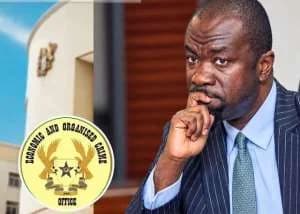
This debate over law enforcement conduct is underscored by the recent detention of Nana Agyei Baffour Awuah, a lawyer representing Salomey Awity Baffoe in the "Ghana Jollof" social media case. Baffour Awuah was detained by the Economic and Organised Crime Office (EOCO) before being granted bail on October 3. Despite his own legal challenges, Baffour Awuah has vowed to continue his defense of Ms. Baffoe, who faces charges related to social media activities. He criticized the perceived denial of legal representation for those exercising free speech, framing his detention as an obstacle to ensuring fairness in the legal process.
The convergence of these legal critiques and recent incidents highlights a critical tension in Ghana’s justice system. Legal practitioners argue that for the rule of law to prevail, there must be a clear distinction between voluntary cooperation and custodial interrogation. As public reluctance to assist the police grows due to fear of detention, the legal community is calling for a return to strict adherence to procedural protocols. The consensus remains that without transparent law enforcement practices and the guaranteed right to counsel, the constitutional protections intended for every Ghanaian citizen remain at risk.

