••
PSDPEP scholarship students present research on drug-resistant HIV
•2 min read•1 source
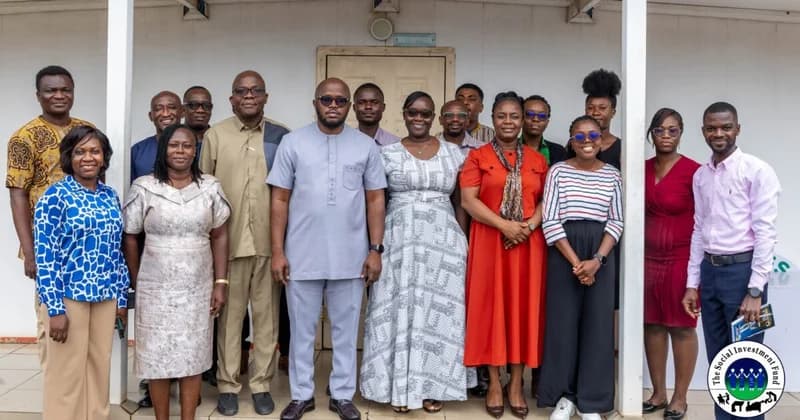
MPhil and PhD students under the Post-COVID-19 Skills Development and Productivity Enhancement Project (PSDPEP) have shared critical updates on their ongoing research during a presentation at the Social Investment Fund (SIF). The event served as a platform for scholars to showcase findings aimed at addressing some of Ghana's most complex health challenges. By highlighting these academic advancements, the project emphasizes its commitment to building high-level scientific capacity to improve national healthcare outcomes.
The research presentations covered a range of specialized topics with a significant focus on infectious diseases and oncology. One major study examined drug-resistant mutations within the HIV-1 integrase gene, a vital area of research for maintaining the efficacy of antiretroviral therapies in the country. Another presentation detailed the immune profiles of cervical cancer patients, specifically focusing on the Human Papillomavirus (HPV) and its impact on the immune system of those affected. These studies are designed to provide data-driven insights that can inform clinical practices and public health strategies.
The PSDPEP initiative was established to enhance productivity and skill sets in the wake of the global pandemic, specifically targeting the health and education sectors. By supporting advanced degree candidates, the project seeks to bridge the gap between academic research and practical healthcare delivery. The Social Investment Fund noted that the work of these scholars is essential for developing local solutions to health threats and ensuring that Ghana remains competitive in scientific innovation.
As these students continue their MPhil and PhD programs, their research is expected to contribute to a broader database of scientific knowledge tailored to the Ghanaian population. The ongoing monitoring of these scholarship recipients ensures that the investment in their education translates into tangible improvements in the country's medical infrastructure and disease management protocols. The event concluded with a focus on how this scientific knowledge will be integrated into the broader healthcare system to benefit patients nationwide.
