••
Pretoria health officials treat 500 people for gastrointestinal illness
•2 min read•1 source
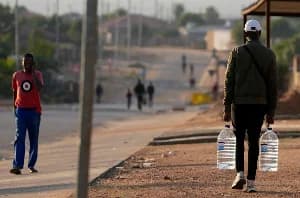
Health officials in South Africa are responding to a gastrointestinal outbreak that has affected more than 500 people across two cities. The surge in illnesses, characterized by symptoms such as stomach cramps and diarrhea, has been tied to concerns over poor water quality in the region. Authorities have prioritized medical interventions for the most severe cases, with data showing that at least 408 individuals, including several children, have sought professional treatment at local clinics and hospitals after falling ill.
The most significant impact has been recorded in the areas east of Pretoria, where the situation has reached a critical point. In response to the growing health crisis, residents in these specific communities have been explicitly warned by authorities to avoid drinking or using tap water until the safety of the supply can be guaranteed. The warning comes as medical professionals work to manage the influx of patients suffering from acute gastrointestinal distress. The inclusion of children among the victims has heightened the urgency of the response, as health experts warn of the rapid onset of dehydration associated with these symptoms.
Investigative teams are currently analyzing water samples to determine the exact nature of the contamination and how it entered the urban supply system. While the specific cause of the water quality degradation is still under investigation, the event has raised significant concerns about local utility management and the safety of the water infrastructure. Moving forward, health officials are expected to provide updates on water testing results while continuing to monitor the recovery of those affected. For now, the primary directive remains for residents to utilize alternative water sources to prevent further spread of the illness.


