••
Presbyterian Church of Ghana Implements New Disability Policy to Enhance Inclusion and Decision-Making
•2 min read•4 sources
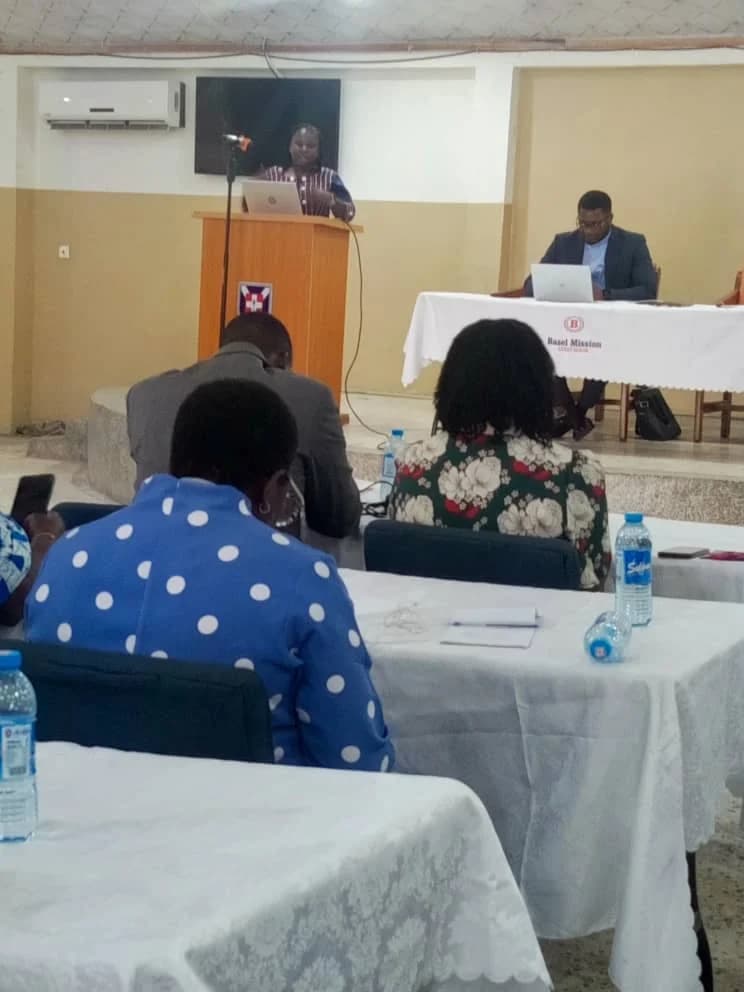
The Presbyterian Church of Ghana, through its Department of Social Services (DSS), has reaffirmed its commitment to the total inclusion of persons with disabilities (PWDs) through the implementation of a comprehensive new disability policy. This initiative seeks to ensure that PWDs are not merely attendees but active participants in the spiritual and administrative life of the church. Ms. Jedidiah Abanga of the DSS emphasized that the core objective of the policy is to create a disability-friendly environment that guarantees equal opportunities for every member of the congregation, regardless of their physical or cognitive circumstances.
A significant pillar of this new framework is the establishment of a National Committee on Disability. This committee has been tasked with advocating for the specific needs of PWDs and ensuring their representation in key decision-making processes. By moving beyond basic accessibility to focus on active representation, the church aims to empower PWDs to take up leadership roles and contribute their perspectives to the governance of the institution. This move signals a shift towards institutionalizing inclusion as a fundamental part of the church’s operational structure.
To support the practical application of the policy, the church has also prioritized education and sensitization among its members. A recent seminar conducted in Kumasi served as a platform for church leaders and congregants to explore strategies for integrating disability issues into all facets of church life. The seminar highlighted the necessity of training church members to understand and address the unique challenges faced by PWDs, fostering a culture of support and empathy. These training sessions are expected to be replicated across various districts to ensure that the message of inclusion reaches every local session.
Ultimately, the Presbyterian Church of Ghana views this policy as a vital step toward creating a more equitable society. By integrating disability inclusion at all levels, from local worship to national administration, the church is setting a standard for other religious bodies and community organizations in Ghana. The successful implementation of these strategies is expected to provide a model for how faith-based organizations can champion the rights and dignity of vulnerable groups, ensuring that every individual has the space to serve and worship without barriers.
This story touches markets covered on Anansi Intelligence ↗.
More from education
Continue exploring similar stories


