••
Dr. Patrick Kwaku Ofori Predicts Fuel Price Relief in Ghana as Global Oil Markets Stabilize Amid US-Iran Geopolitical Shifts
•3 min read•5 sources
The Chief Executive Officer of the Chamber of Bulk Oil Distributors (CBOD), Dr. Patrick Kwaku Ofori, has expressed optimism that fuel prices in Ghana may soon decrease as global crude oil prices stabilize. This potential relief follows a significant easing of geopolitical tensions, notably through reported ceasefire negotiations and diplomatic engagements between the United States and Iran. Speaking on the Citi Breakfast Show, Dr. Ofori highlighted that the recent volatility in international markets is beginning to settle, which could translate into lower costs for Ghanaian consumers if the current downward trend in crude pricing persists.
Global oil benchmarks recently saw a sharp decline of over 6%, with prices dropping to approximately $82.41 per barrel. This shift was largely attributed to announcements regarding negotiations over the Strait of Hormuz and Iran’s nuclear capabilities. The price drop comes after a period of intense pressure on energy markets; for instance, in the United Kingdom, soaring petrol prices linked to the conflict led to a 20% surge in fuel theft, with retailers losing nearly £200,000 daily. The stabilization of these markets is seen as a critical turning point for economies heavily dependent on oil imports, such as Ghana.
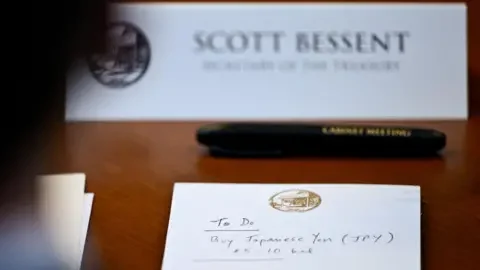
Beyond energy, international financial authorities are taking rare steps to ensure broader market stability. The United States and Japan recently conducted a joint intervention to prop up the Japanese yen after it hit a 40-year low. This coordinated effort—the first of its kind since 2011—aims to deter market speculation and manage excessive volatility that could impact the global economy. While Japan’s low interest rates and high energy import reliance continue to challenge the yen, US Treasury Secretary Bessent and Japanese officials have reaffirmed their commitment to maintaining stable exchange rates through continued cooperation.
However, the global supply chain remains under pressure from environmental factors that could offset some of these economic gains. Record low water levels in Europe’s major rivers, including the Rhine and the Danube, have been reported due to persistent droughts and heatwaves. These conditions have increased transport costs and created supply bottlenecks, affecting energy production in regions like Serbia and Romania. Scientists warn that climate change is intensifying these droughts, raising concerns about long-term freshwater availability and wildfire risks, even as geopolitical tensions subside.
For Ghana, the convergence of stabilizing oil prices and international currency interventions provides a cautious sense of hope for macroeconomic stability. While the CBOD anticipates a reduction in pump prices, the situation remains fluid, contingent on the continued success of Middle East diplomacy and the mitigation of climate-related disruptions to global trade. As President John Mahama’s administration continues to monitor these international developments, the focus remains on ensuring that global market recoveries are reflected in the local economy to provide much-needed relief to citizens.
This story touches markets covered on Anansi Intelligence ↗.
Related topic
John Mahama: Latest News & Updates →More from business
Continue exploring similar stories


