••
Pastor Badu Kyenkyenhene Sparks Debate After Candid Admission of Personal Struggles with Womanizing
•2 min read•2 sources
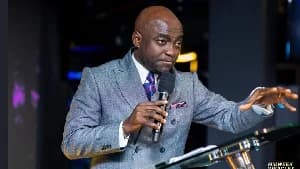
Pastor Badu Kyenkyenhene, the founder of Newspring Chapel, has sparked significant public discourse following a candid address to his congregation regarding the complexities of male infidelity. During the sermon, the clergyman offered a provocative perspective on why men engage in "womanizing," arguing that external factors and life circumstances often play a more critical role in behavioral restraint than genuine internal transformation. His remarks have since resonated across social media platforms, prompting a wider conversation on the nature of fidelity and the environmental pressures that shape personal conduct.
Central to the Pastor’s message was the assertion that many men do not necessarily stop their philandering ways because of a change in character, but rather because of the constraints imposed by their current status. He suggested that factors such as social standing, wealth, personal responsibilities, and even a "fear of God" often serve as deterrents that curtail certain behaviors. According to Kyenkyenhene, these influences can lead men to pause or suppress their tendencies due to their environment, rather than achieving true self-control or a fundamental shift in their values.
In a notable display of transparency, Pastor Kyenkyenhene did not distance himself from the subject matter, instead confessing to his own ongoing battle with the tendency toward womanizing. He admitted that he struggles with the issue but emphasized his commitment to continuous improvement and spiritual growth. By sharing his personal journey, he aimed to highlight that the struggle is a common one and that many men are simply managing their behaviors based on the stakes involved in their professional or personal lives.
The Pastor’s unconventional honesty has ignited a flurry of reactions online, with many Ghanaians debating the validity of his claims regarding male accountability. While some social media users praised his vulnerability and realistic assessment of human nature, others criticized the suggestion that men are largely governed by their circumstances rather than moral agency. Ultimately, the discourse underscores a growing public interest in the intersection of religious leadership, personal integrity, and the social expectations placed upon men in modern Ghanaian society.
This story touches markets covered on Anansi Intelligence ↗.
More from entertainment
Continue exploring similar stories


