••
Ghana’s Parliament Passes Revised Anti-LGBTQ+ Bill Amidst Debates Over "Diluted" Clauses and Quorum Concerns
•3 min read•11 sources
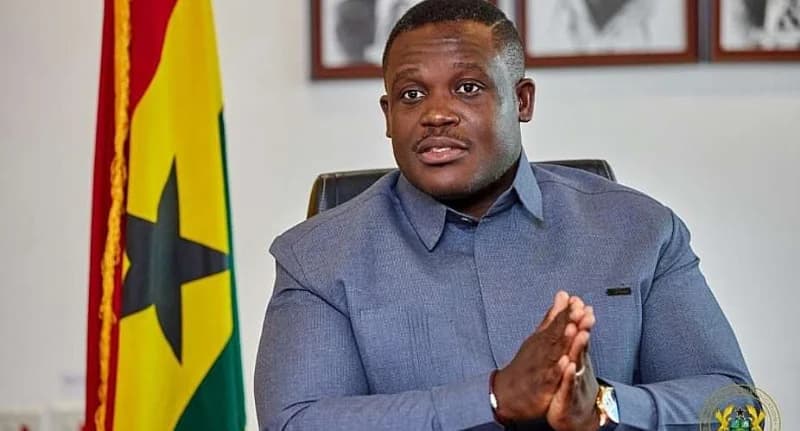
On May 29, 2026, the Parliament of Ghana passed the Human Sexual Rights and Family Values Bill for the second time, setting the stage for a potential legal and social transformation regarding LGBTQ+ rights in the country. This revised version of the legislation follows a previous 2024 attempt that failed to receive assent from former President Nana Addo Dankwa Akufo-Addo due to human rights concerns. The current bill criminalizes homosexual activities with a minimum three-year jail term and prohibits the promotion, funding, or advocacy of LGBTQ+ organizations. It now moves to President John Dramani Mahama for his signature, with supporters like Akwatia MP Bernard Bediako expressing confidence that the President will act decisively and assent to the bill promptly.
The 2026 passage has sparked intense parliamentary debate over specific amendments made to Clause 9 of the legislation. While the Majority claims these changes clarify constitutional protections, some lawmakers, including Vincent Ekow Assafuah (Old Tafo) and Nana Agyei Baffour Awuah (Manhyia South), have criticized the bill as being "watered down" compared to the version approved by the previous Parliament. These amendments introduce specific exemptions for professionals such as journalists, medical practitioners, and legal counsel, protecting them from liability in their official capacities. Critics like Dr. Razak Kojo Opoku allege these were "smuggled" clauses that dilute enforcement, while lead proponent Samuel Nartey George maintains that the core prohibitions against LGBTQ+ acts remain intact and that the exemptions are necessary for professional functionality.
Beyond the content of the bill, procedural disputes emerged as the Minority raised concerns regarding the quorum required for the final vote. Bernard Bediako dismissed these claims, asserting that the proceedings were sound and that no formal objections were raised by key Minority figures at the time of passage. This legislative milestone reflects a broader regional trend in Africa toward stricter laws regarding sexual minorities, though it has faced swift condemnation from international human rights organizations who argue the bill endangers lives, encourages discrimination, and violates fundamental human rights standards.
As the bill undergoes final drafting before reaching the Presidency, the national discourse remains deeply polarized. The legislation represents a significant test for the Mahama administration, especially given the history of legal challenges that hindered its predecessor. If signed into law, the bill would not only enforce strict penalties for same-sex acts but also introduce a duty for citizens to report LGBTQ+ activities to the authorities. Whether the bill can survive inevitable legal scrutiny regarding its constitutionality and international human rights obligations remains the next major hurdle in this long-standing legislative battle.
This story touches markets covered on Anansi Intelligence ↗.
More from politics
Continue exploring similar stories


